
We are a team of experienced veterinarians who are passionate about the health and well-being of your animals. Our priority is to provide the highest quality cardiology services for your pets.
Our offering includes a wide range of services, such as:
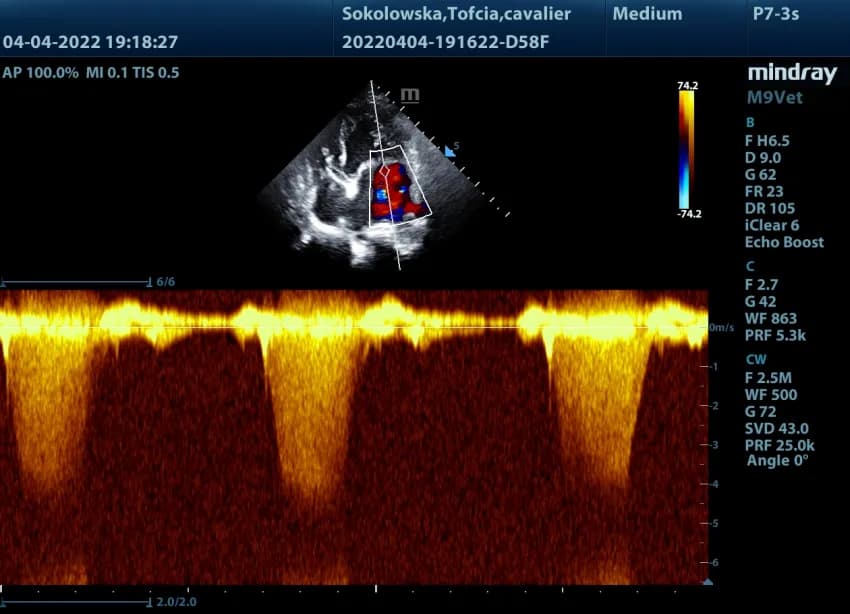
Cardiology consultations
Cardiology consultations are an important element of animal health care, especially for those that are predisposed to diseases of the heart and circulatory system. During a cardiology consultation, the veterinarian carefully assesses your animal's general state of health and pays particular attention to the cardiovascular system.
Cardiology consultations include:
- Interview with the animal's owner: The veterinarian asks questions about the animal's health history, behaviour, diet, and lifestyle in order to understand the potential risk of heart disease.
- Clinical examination: During the clinical examination, the veterinarian carefully observes, palpates, and auscultates the animal to assess the pulse, heart rhythm, breathing, mucous membranes, skin condition, and other parameters affecting heart health.
- Imaging diagnostics and other tests: Depending on the needs, the veterinarian may order additional tests, such as an ECG, echocardiography, Holter ECG, or laboratory tests, in order to obtain a detailed picture of your animal's heart health.
- Interpretation of the results and treatment plan: Based on the information gathered, the veterinarian will present a diagnosis and recommend an individual treatment plan, which may include medications, lifestyle changes, follow-up visits, and possible further tests.
Cardiology consultations are essential for detecting heart disease early and taking appropriate steps to ensure a long and healthy life for your pet. Regular consultations with a veterinary cardiologist are particularly important for animals in the risk group, such as those with genetic predispositions, older animals, or those that are overweight.
Diagnostic tests
Diagnostic tests in animal cardiology aim to assess the function of the heart and circulatory system, identify potential diseases, and establish an appropriate treatment plan. Here are some of the most commonly performed diagnostic tests in veterinary cardiology:
- ECG (electrocardiogram): An ECG is a test that records the electrical activity of the animal's heart. It allows assessment of the heart rhythm and heart rate and the detection of abnormalities such as conduction blocks or arrhythmia.
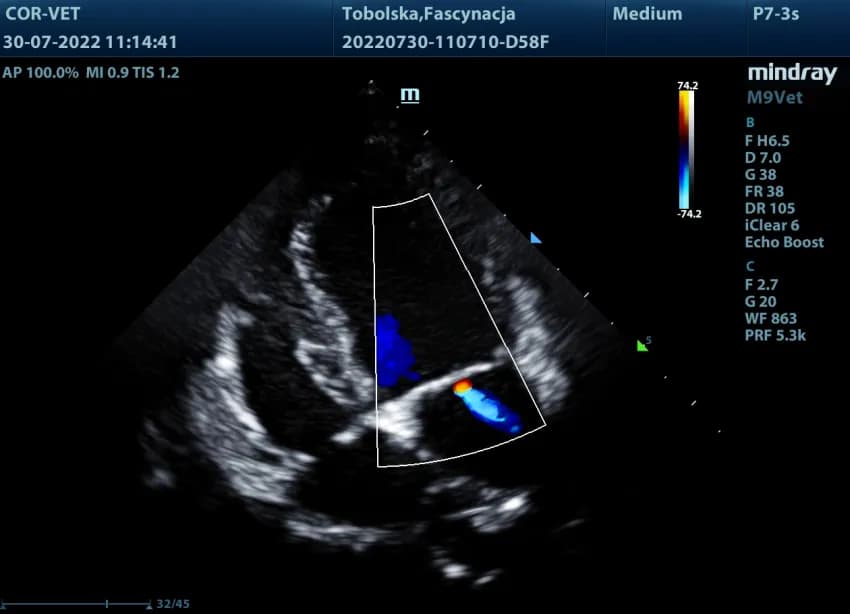
- Echocardiography: Echocardiography is an ultrasound examination of the heart and the surrounding structures. It allows assessment of the structure, function, and size of the heart, the thickness of the walls, and blood flow through the valves, as well as the identification of any congenital or acquired defects.
- Holter ECG: A Holter ECG is long-term monitoring of the heart's activity using a portable recorder. The animal wears the device for 24–48 hours, which allows the identification of abnormalities that may occur only occasionally and go unnoticed during a standard ECG.
- Chest radiography: A chest X-ray allows assessment of the size of the heart, the pulmonary structures, and the presence of fluid in the pleural cavity. It can be helpful in diagnosing heart failure, especially in animals with a cough or shortness of breath.
- Laboratory tests: Blood and urine analysis can help assess organ function and detect infections, anaemia, or electrolyte disturbances that may affect heart health. In some cases, specialist tests can also be performed, such as measuring the level of proBNP, which may indicate strain on the heart.
The results of these diagnostic tests allow the veterinarian to accurately assess your animal's heart health, make a diagnosis, and develop an appropriate treatment plan.
Treatment of heart diseases
The treatment of heart diseases in animals aims to control symptoms, slow the progression of the disease, and improve the quality and length of your pet's life. Depending on the type of disease, the stage of advancement, and the animal's individual needs, treatment may include various methods:
- Pharmacological treatment: Medications are often used to control symptoms and treat heart diseases. Some of them include: a) diuretics, such as furosemide, which help remove excess fluid from the body; b) vasodilators, such as enalapril or amlodipine, which lower blood pressure and reduce the strain on the heart; c) heart rhythm–stabilising medications, such as digoxin or diltiazem, which control arrhythmias; d) medications affecting blood clotting, such as aspirin or clopidogrel, which prevent the formation of clots.
- Lifestyle modification: A proper diet, weight control, moderate exercise, and avoiding stress are key to maintaining the animal's heart health. The veterinarian may recommend changes in your pet's daily life in order to improve its cardiac condition.
- Surgical interventions: In some cases, especially with congenital defects or serious valve damage, surgical intervention may be necessary. Operations may include repairing or replacing valves, correcting structural defects, or implanting a pacemaker.
- Monitoring and follow-up visits: Regular check-ups with a veterinary cardiologist are essential in order to track the progress of treatment and adjust the therapy as needed. The veterinarian may order additional diagnostic tests to assess the effectiveness of the treatment and make any changes.
- Cooperation with other specialists: In the case of heart diseases with a complex aetiology, cooperation with other specialists, such as an interventional cardiologist, anaesthesiologist, or nutritionist, may be essential in order to ensure effective and comprehensive treatment.
Remember that every animal is different, and the treatment of heart diseases must be tailored to your pet's individual needs. It is important to work closely with your veterinarian.
Preventive care
Preventive care in animal cardiology aims to minimise the risk of heart disease and detect any health problems early. Here are some of the key elements of preventive care:
- Regular health check-ups: Check-up visits to the veterinarian at least once a year are important for all animals, and especially for those in the risk group (older animals, breeds predisposed to heart disease, overweight animals). Check-ups allow the early detection of health problems and the taking of appropriate action.
- Diagnostic tests: Regular diagnostic tests, such as an ECG, echocardiography, or laboratory tests, may be recommended by the veterinarian for animals at greater risk of heart disease. Early detection of problems makes it possible to implement treatment and reduce the risk of complications.
- Proper diet and weight control: An appropriate diet – rich in protein, low in fat, and with a moderate amount of salt – is important for maintaining heart health. The veterinarian may recommend a specialist diet for animals with heart disease. In addition, weight control and preventing obesity are key to reducing the strain on the heart.
- Moderate exercise: Regular, moderate exercise is important for maintaining the animal's cardiovascular condition. The veterinarian can advise which exercises are appropriate for your pet, taking into account its age, breed, health condition, and needs.
- Owner education: Knowledge about the risk factors, symptoms, and treatment of heart disease is key for animal owners. Working with your veterinarian and taking care of your pet's health and well-being will allow you to enjoy a long and happy life together.
- Vaccinations and antiparasitic prevention: Regular vaccinations and antiparasitic prevention are important for the animal's overall health, as well as for preventing diseases that can affect the cardiovascular system, such as Lyme disease or dirofilariasis.
Remember that appropriate preventive care is key to maintaining your animal's heart health
Cooperation with other specialists
When needed, we establish cooperation with other veterinary specialists in order to ensure a comprehensive approach to your pet's treatment.
We invite you to book a visit at our clinic and to ask any questions concerning your animal's heart health. We are here to help!