
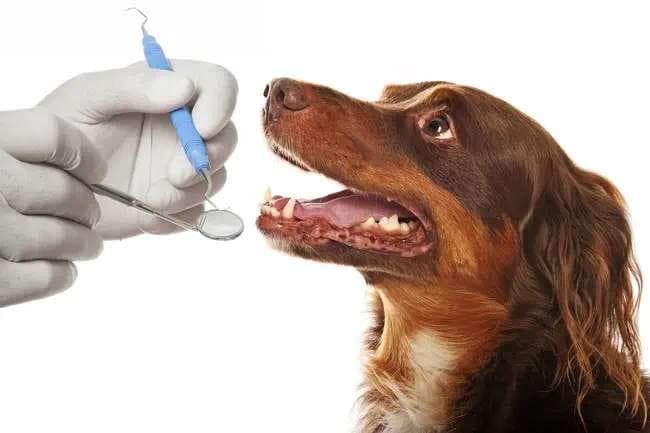
Dentistry for dogs and cats is no longer just the periodic removal of dental tartar and tooth extractions. It is now a dynamic, rapidly developing field offering a wide spectrum of possibilities.
Treatment of periodontal diseases
More than ¾ of dogs and cats over 7 years of age suffer from chronic inflammation of the gums and periodontium. Each patient should be given an individual and specially selected course of treatment for these conditions. A one-off removal of tartar is not enough; home prevention, daily tooth brushing, and an appropriate diet are important.
Reconstruction of the hard tissues of the teeth
Treatment covers mechanical injuries to the teeth with loss of hard tissue, as well as the filling of carious cavities. If a tooth breaks and the red pulp of the tooth becomes exposed, you should contact a veterinarian immediately, because within 48 hours of the incident it is possible to place a dressing on the injured pulp and keep the tooth alive.
Maxillofacial surgery
Treatment of fractures of the bones of the facial skull, soft tissue injuries, the correction of congenital defects, and of the oral vestibule. Surgical treatment also includes tooth extractions, as well as periodontal procedures such as gingivoplasty.
Orthodontics
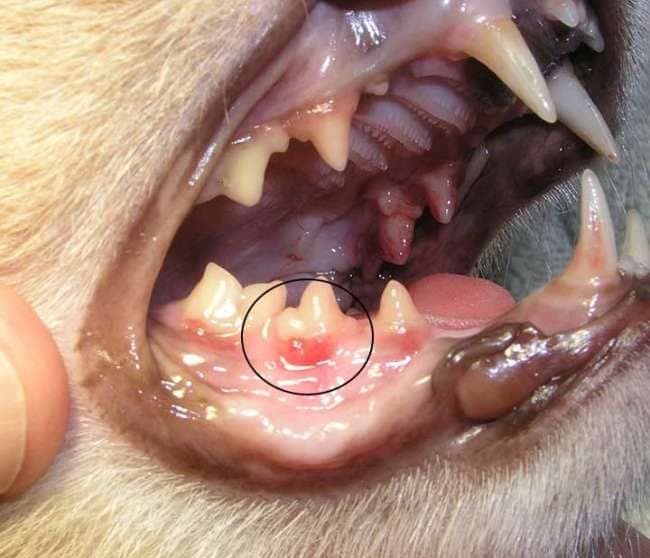
Malocclusions are most often not just a beauty defect. They can lead to traumatic occlusion, the consequence of which is faster wear and tear of the tooth crowns, pain for the animal, and the possibility of abscesses and oronasal fistulas forming. Defects that do not cause discomfort and are purely cosmetic are not corrected.
Dental oncology
Diagnosis and possible treatment of tumours of the oral cavity.
Treatment of periodontal diseases in cats
Treatment of feline cervical (resorptive) lesions, eosinophilic granuloma of the lips and oral cavity, plasmacytic stomatitis, and stomatitis-gingivitis syndrome.
Dentistry for rodents