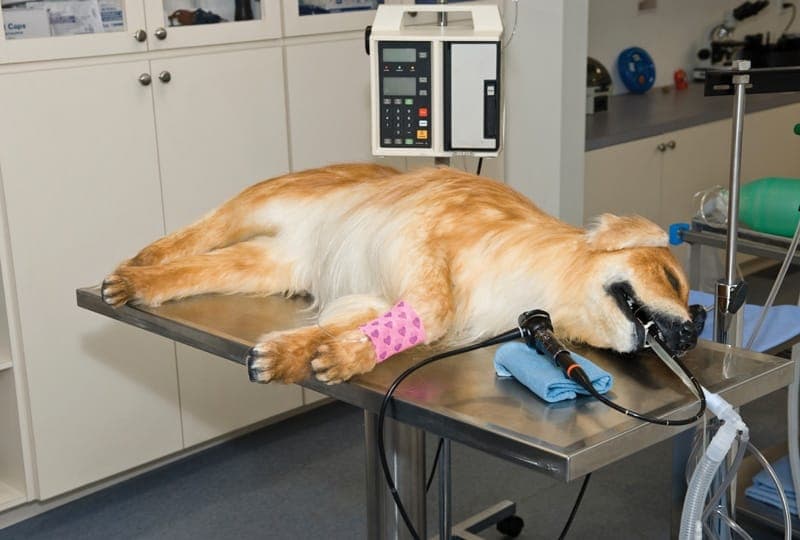
Something happened recently at our clinic that stayed with me for a long time afterwards. Someone came in with a urine sample from their pet, left the container at reception, and asked whether she could simply hear the result from me over the phone once it was ready. I explained that I would be happy to discuss the result, but that I would first like to see the animal - examine it, listen to it, ask how it had been feeling lately, how much it was drinking, how much it was eating, whether anything in its behaviour had changed. In response, I was told that this was an unnecessary complication, and that she would certainly find "more helpful" vets who would do it faster, without unnecessary visits. The conversation ended there. To this day I don't know whether anyone ever discussed that result with her, or whether the animal ever ended up in anyone's care.
It wasn't the first call of this kind in my career, and it probably won't be the last, but this one stayed with me longer than most. Not because I felt offended - after many years as a vet, I'm quite used to that by now. What unsettled me was how deeply rooted the belief seems to be that a laboratory result is a kind of oracle that can be read in isolation from the animal itself, its history, and what is happening with it here and now. The longer I thought about it, the more I felt it was worth finally writing this down - not to lecture or shame anyone, but to explain where our caution, as vets, on this point comes from, and why it really isn't about making life difficult for pet owners.
This happens not only with urine or blood results, but with almost any additional test - an X-ray, an ultrasound scan, even a specialist consultation. The common thread is the expectation that the numbers, or the written description of a result, will say everything on their own, without input from someone who knows the animal and has seen it with their own eyes. I understand that frustration, genuinely. These days we're used to being able to handle almost anything remotely - with a single phone call or email - while a visit to any doctor at all means time, travel, and waiting, and sometimes extra stress for the animal itself. In veterinary medicine, much as in human medicine, there is a line beyond which convenience stops going hand in hand with sound practice. In this article I want to show exactly where that line runs: why blood and urine tests are so valuable to us as vets, what they actually tell us, when it makes sense to run them, and why reading them properly always requires context that simply can't be conveyed over the phone or by email. This is a subject that touches every one of you, because sooner or later every dog or cat owner ends up holding a printout of results and wondering what to actually do with it.
Why the Physical Exam Always Comes First
At veterinary school I was taught a certain hierarchy that I still remember today, no matter how far diagnostics have advanced since then. The single most important examination that can be performed on a patient, and the only real point of reference for every other result, is the clinical examination, also called the physical exam. I've met people who mock that terminology before, so let me explain plainly what it means: it's simply the most ordinary "nose to tail" examination of an animal - palpation, careful observation, listening with a stethoscope, sometimes percussion, taking a temperature, checking a pulse, and many other simple but irreplaceable actions that a vet carries out with their hands, eyes, and ears, with a live animal in front of them.
Equally important, though often underrated, is the history - simply a very thorough conversation with the animal's owner. I ask about virtually everything: what the dog or cat eats, how much it drinks, whether its appetite has changed, whether it's as active as usual, whether anything has changed at home recently, whether the animal has travelled, whether its food has changed, whether it has had contact with other animals, whether anyone has noticed anything worrying, even something that seems trivial. The answers to these questions can sometimes say more than many a test result - and, just as importantly, it's only once they're set alongside a test result that the result takes on its proper meaning.
I remember a sentence I heard thirty years ago, as a young vet just starting out, and it has stayed with me ever since:
We don't treat test results, we treat the patient.
Those few words accompany me at every single visit, without exception. A laboratory result, however detailed, is never a diagnosis in itself - it's one piece of information among many, which has to be weighed alongside what I see, hear, and feel when I examine the animal, and alongside what its owner tells me. A sheet of numbers on its own, without the patient in front of me, doesn't tell me enough for me to responsibly reach a diagnosis or recommend treatment.
Where Laboratory Tests Fit in the Diagnostic Process
That doesn't mean laboratory tests are somehow less important - quite the opposite. Without them, our knowledge of a patient would be far poorer, and many diseases would go undetected until they were already causing advanced symptoms. It's more about understanding their proper role: laboratory tests complement the clinical exam and give us insight into things that simply can't be seen or felt with the naked eye or hand - but they never replace it.
I still remember something I heard fairly recently, at a lecture organised for vets by the company IDEXX, one of the leading names in veterinary laboratory diagnostics. The speaker said:
When analysing a laboratory test result, we must bear in mind that every component has its own limitations. It is our duty to question all the data we receive from the laboratory. We should maintain a critical approach to the tests performed and always return to the physical (clinical) examination of our patient. Let us proceed critically, always returning to the patient's physical examination.
It's worth noting that these words came from someone representing a company that manufactures analysers and laboratory tests - in other words, someone who would have every reason to convince us that a result straight from the machine is enough on its own. Yet the message was exactly the opposite: every result has its limitations, and any given parameter can be skewed by dozens of factors that have nothing to do with disease itself. That is why we always, without exception, return to the patient's physical examination before treating any result as final.
Good diagnostics is more like assembling a jigsaw puzzle than reading off one ready-made answer. The history gives us our first clues. The clinical exam lets us verify them and narrow down the list of suspects. Laboratory tests - blood, urine, and sometimes imaging too - add further pieces to the puzzle. Only by putting all of this together into a coherent whole can we reach a diagnosis that makes clinical sense, rather than one that is simply a mechanical reading of a number on a lab printout.
Why a Single Result Is Never the Whole Story
Before I get to what blood and urine tests actually show us, I'd like to pause for a moment on something that escapes many people outside our profession: just how many circumstances influence a single result before it ever reaches my desk.
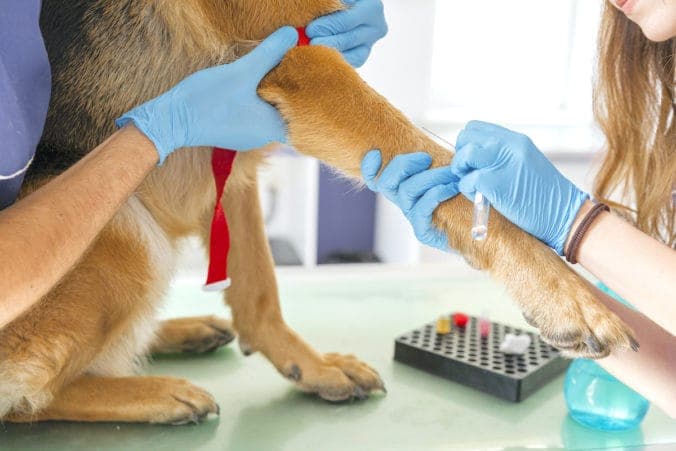
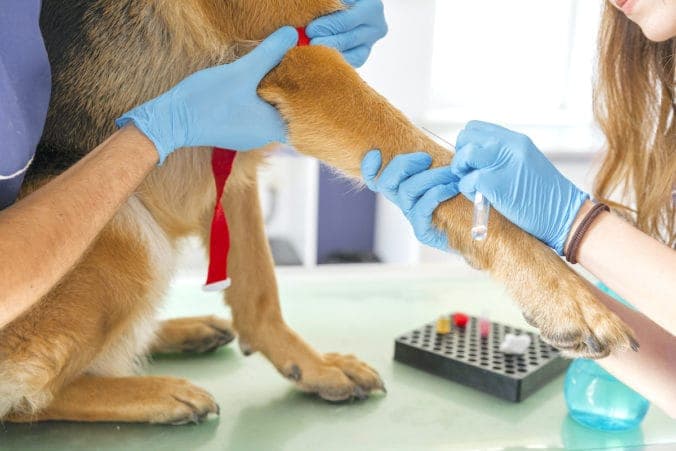
The way a sample is collected matters in itself. The stress of having blood drawn - and animals cope with it very differently - can temporarily alter certain parameters. Whether the animal was fasting or had just eaten affects glucose levels, fat levels, and the activity of certain enzymes. The degree of hydration changes the concentration of many parameters, thickening or diluting the blood regardless of what is actually happening with the internal organs. Even the time of day, recent physical activity, the conditions under which the sample was transported to the laboratory, or the time that passed between collection and analysis, can shift a result slightly one way or the other.
On top of that there is individual variation: age, breed, and sometimes even the bloodline within a given breed can influence what values are typical for a particular animal. Females in heat, pregnant animals, or patients on long-term medication may show a slightly different picture of results, one that is still entirely normal for their particular situation. Even methodological differences between laboratories and the analysers they use mean that reference ranges can vary slightly depending on where a test is carried out - which is why, as I'll mention again later, it's worth sticking to the same laboratory where possible for repeated follow-up tests.
The same applies to urine: too much time passing between collecting the sample and testing it can affect the appearance of the sediment, the presence of crystals, or the result of a dipstick test, which is why we always try to get a freshly collected sample analysed as quickly as possible, or, if that isn't possible, to have it stored properly until it can be tested.
None of this means laboratory tests are unreliable - quite the opposite, they are very precise and valuable tools. It does mean, however, that a raw number on a printout, detached from the circumstances that produced it, should never be read in a vacuum. That's why I always ask when and how a sample was taken, whether the animal was fasting, whether it was stressed, whether it's on any medication - and only once I have that information am I able to responsibly assess what a given result actually means for the particular patient in front of me.
What Blood and Urine Tests Actually Tell Us
Since I'm devoting so much space to context, it's also worth saying plainly why we order these tests in the first place - because they really are a valuable source of information, when they're looked at the right way.
A complete blood count gives us insight into the cellular make-up of the blood - the number and appearance of red blood cells, white blood cells, and platelets. It lets us get a sense of whether there's inflammation somewhere in the body, whether the animal is dealing with anaemia, and sometimes it gives us early clues pointing towards an allergy, the presence of parasites, or other immune system disturbances. It's a test that, in a straightforward way, shows how the body is responding to whatever is currently going on inside it.
Blood biochemistry, in turn, focuses on the composition of the plasma - in other words, what's circulating in the liquid part of the blood once the cells have been separated out. It lets us assess how individual organs are functioning, above all the liver and kidneys, and also check the electrolyte balance, glucose levels, or cholesterol. Elevated liver enzyme activity can indicate that liver cells are irritated or damaged; abnormal kidney parameters can suggest the kidneys are having more trouble clearing waste from the body. In both cases, though, it's always the vet who weighs a given result against that particular laboratory's reference range and, most importantly, against the patient's full clinical picture, rather than against a single number taken out of context.
Urinalysis is a different, but equally valuable, source of information. The physicochemical assessment of urine - its colour, clarity, specific gravity, and pH - together with microscopic examination of the sediment, tells us a great deal about the kidneys and the whole urinary tract: the presence of protein, blood, crystals, bacteria, or epithelial cells. Urine is, in fact, an unusually sensitive "mirror" of kidney function, which is why regular urinalysis is one of the earliest ways of catching a problem before clear clinical symptoms even appear. When a urinary tract infection is suspected, this test is often supplemented with a culture, which allows the specific bacteria to be identified and the most effective treatment chosen.
Beyond these three basic tests there is also a whole range of additional tests - hormonal ones, for instance assessing thyroid function, clotting tests, or markers specific to particular organs - which a vet orders depending on the clinical picture and the suspicions arising from the history and physical exam. None of them should be ordered "just in case", without a reason - each one ought to answer a specific question the vet has asked themselves while observing that particular patient.
It's also worth remembering that blood and urine tests rarely work in isolation from other diagnostic tools. An abnormal biochemistry result, suggesting reduced kidney function, for example, is often the trigger for an abdominal ultrasound, to assess the appearance and structure of the organs themselves. Conversely, a change seen on an imaging scan - an enlarged organ, altered tissue structure - is often a reason to broaden the blood panel with additional, more detailed parameters. These methods complement and confirm one another; rarely does any single one of them, used alone, give a complete picture of a patient's health. That's why, whenever I order a set of tests, I try to think of it as a coherent whole rather than a collection of independent checks.
It's worth adding that which set of tests makes sense in a given case depends on many factors: the animal's age, its medical history, its current symptoms, and sometimes also on whether we're preparing for a procedure under anaesthesia or carrying out a routine preventive check. That's a big enough subject that we look more closely, in a separate article, at the individual parameters of a complete blood count and biochemistry panel and how to interpret specific results. Here I'd rather stay at the level of the general picture, because that feels like the more important thing today.
Why It's Worth Having a Vet Who Knows Your Pet Over Time
One thing is the clinical examination of the patient itself. Another, equally important thing, is having a vet who knows your pet and knows more about it than someone seeing it for the very first time. That distinction feels crucial to me, and I'd like to pause on it for a moment.
Why does knowing the patient matter so much? Because what's normal for one animal can be a sign of emerging illness in another. Every body has its own individual baseline - its own rhythm of organ function, its own particular parameter values, which can differ slightly from averaged reference ranges. A vet who has seen a particular dog or cat over the years knows that baseline and can pick up a deviation from it, even when it still technically falls within the laboratory's normal range.
This is one of the most important, and at the same time least obvious, aspects of interpreting results: a parameter that has sat at the lower end of the normal range for a long time and then suddenly starts climbing towards the upper end - while still technically within the laboratory's reference range - can be a warning sign to us long before it becomes clearly abnormal. A single result, taken out of context, will never show us that. Only comparing several tests carried out over months or years - in other words, tracking a direction of change rather than a single day's snapshot - lets us notice that kind of worrying trend before it turns into an overt illness.
The same applies during treatment of an already-diagnosed illness: comparing results taken at intervals tells us whether therapy is working, or whether we need to change approach, look for an additional disease factor, or dig deeper in a different diagnostic direction. I see this most clearly in patients I've been treating for a long time - I can compare a fresh result with one from a month ago, two months ago, sometimes several years ago, and that comparison tells me far more than the result on its own, viewed apart from the illness's history.
I want to be clear about one thing here: none of this means that consulting other specialists is discouraged. Quite the opposite - it can be very valuable, sometimes essential. It's sometimes worth seeking the opinion of several specialists at once, especially in complicated or ambiguous cases, to be sure of the accuracy of a diagnosis. What I'm getting at is something else: the value of having a point of reference - someone who knows the patient's history and can factor it into every subsequent assessment, no matter how many other specialists end up being brought into the diagnostic process.
When It Makes Sense to Run Blood and Urine Tests
Many owners ask me when it's actually worth testing a dog or cat, given that the animal looks healthy. The answer is simpler than it might seem: that is exactly the best moment to do it.
Preventive tests, carried out on an animal showing no worrying symptoms at all, have enormous value - they let us learn the patient's baseline mentioned earlier, and sometimes catch an abnormality at a very early stage, before it produces any symptoms visible to the owner. Many chronic conditions, especially metabolic and hormonal ones, develop over years in an almost unnoticeable way, and an animal's body can compensate for a growing problem for a very long time before the first clear symptoms appear. Regular, routine check-ups, carried out even on apparently healthy animals, and especially on senior patients, are one of the pillars of responsible prevention - though we'll devote a separate, more detailed article to the specific rules and frequency of this kind of screening.
The second, entirely obvious moment for testing is when something is worrying us: a change in appetite, weight loss or gain, increased thirst, a change in the colour or smell of urine, vomiting, diarrhoea, lethargy, excessive sleepiness, a change in behaviour, or any other symptom that departs from the animal's normal functioning. Even a seemingly minor change, noticed first by the owner because they spend the most time with their pet, can be a valuable clue. In these situations, blood and urine tests, combined with a clinical exam, help quickly narrow down the possible causes and plan what to do next.
The third reason is monitoring an already-diagnosed chronic condition: checking whether treatment is working, adjusting medication doses, and observing whether the condition is stable or progressing. In these patients, tests are usually carried out regularly, at intervals set individually by the treating vet and matched to the specific condition and how it has behaved so far.
A separate category is testing carried out before procedures under general anaesthesia - a subject important and broad enough to deserve its own detailed discussion, so here I'll only flag it briefly: a blood test before planned anaesthesia lets us assess whether the animal's body is ready for the procedure, and helps minimise the risk of perioperative complications.
Finally, older animals - seniors - deserve special attention. As animals age, the risk of chronic disease rises, and at the same time these animals often mask discomfort far more effectively than you might expect - instinctively hiding signs of pain or weakness for much longer than a person would. That's why regular check-ups become an even more valuable tool for them, catching health problems early, before they become visible to the naked eye.
Why We Don't Interpret Results Over the Phone or by Email
Let me come back to the story I opened with. I genuinely understand the frustration of someone who brings a urine sample to the clinic, or comes to collect a printout of blood results, hoping to hear straight away that "everything is fine". That's natural: nobody likes waiting, and a visit takes time, sometimes also bringing stress for the animal from the journey or the time spent at the clinic. I also understand that, for many people, being asked to come in "just" to discuss a result can seem like an unnecessary formality, especially if the animal looks and behaves normally.
And yet, from a vet's perspective, a request like that puts me in a very uncomfortable position, no matter how empathetically I try to respond to it. Interpreting a test result without examining the patient, and without being able to weigh it against the full clinical picture, carries real risk. I might miss something important that the numerical result doesn't show at all, but that would be obvious straight away during a physical exam. I might also go the other way and go looking for a problem where the matter is, in fact, simple, because I lack the context that would put my doubts to rest. It also happens - and not rarely at all - that symptoms end up being treated instead of causes, because without full diagnostics it's hard to get to the root of the problem.
This isn't only about the question of payment for a visit, though of course a vet's work, like any other work, deserves fair payment. It's above all about the interest of the patient - an animal that cannot tell us itself how it feels - and about the interest of the owner, who deserves a sound answer rather than a hasty one. Client satisfaction, while very important to me, cannot be the only reward I weigh in a situation like this - it matters far less to me than the safety of the animal entrusted to my care.
That's why, instead of a quick answer over the phone, I always suggest the same thing: come in with your pet, let's spend a little time together on a calm, thorough examination, and then, with the full picture in hand, discuss the result so that it actually means something, rather than being just a set of numbers read aloud. Sometimes a visit like that is over in a few minutes, because the clinical exam confirms there's nothing to worry about - but it's the exam, not the result on its own, that gives me that certainty.
The Growth of Veterinary Diagnostics and Why the Physical Exam Still Matters
It's impossible to write about laboratory tests without mentioning how much veterinary diagnostics as a whole has advanced in recent years. When I started out, many of the options we use today simply didn't exist, or were available only at a handful of academic centres. Today, veterinary medicine is catching up with human medicine faster and faster in terms of the tools available. We now have access to MRI, CT scanning, modern ultrasound equipment, lasers used both diagnostically and therapeutically, digital radiography, endoscopy, and many other technologies that, just a decade or so ago, were available only in human medicine or at a handful of referral centres.
The laboratories and analysers we use are themselves developing very quickly too - more and more tests can be run on site, at the clinic, which shortens the wait for results and allows faster decisions, especially in urgent situations. That's a huge convenience, and one I'm genuinely grateful for, remembering what things looked like just a decade or two ago.
Technological progress reminds me of a snowball gathering speed year after year, and on the horizon we can already see the next stage of this change: artificial intelligence. Tools that use machine learning to analyse medical images or support the interpretation of laboratory results are already developing very intensively in human medicine, and their veterinary equivalents are, I believe, a matter of the next few years rather than the distant future.
Veterinary telemedicine is developing too - the option of a remote consultation, describing worrying symptoms in a chat, or sending a photo of a skin lesion for an initial look. It's a very convenient tool, and one that works well for simple organisational questions, a vaccination reminder, or an initial check on whether a situation needs an urgent visit. What it does not replace, and in my view never will, is the physical exam in situations where interpreting laboratory results or assessing a genuinely concerning state of health is at stake - which is exactly the situation I opened this article with.
Even so - or perhaps precisely because of that - I'm convinced that none of these technologies relieves us, as vets, of the duty to step back and examine a patient carefully and calmly before reaching any diagnosis. New tools broaden our field of view, give us more information, let us see things we couldn't see before - but they don't replace clinical thinking, experience, and attentiveness towards the particular, living animal in front of us. The more tools we have, the easier it is to be tempted to trust a single number or a single image more than a holistic assessment of the patient - and that is exactly the temptation I try to guard against, for the sake of my patients.
The Value of a Direct Relationship With Your Vet
There's one more thread I'd like to mention, because I've been observing it for years and can see how much it's changing as our profession develops. For some time now, most veterinary clinics - including larger, better-equipped ones - have had a reception desk as standard, with receptionists checking animals in, booking appointments, and handing out results. This makes organising the work of an entire practice much easier, and lets vets concentrate on what matters most: the patients themselves.
But it's worth - and this is something I'd like to stress in particular - occasionally appreciating the value of direct contact with your own treating vet: someone who knows your pet's history, remembers previous visits, and can relate a new result to what they saw before. That's something which, slowly but steadily, is becoming rarer - an echo of times when clinics were smaller and the relationship between owner, animal, and vet was more personal. I try, as far as it's possible in today's reality, to preserve that value in my day-to-day work, because I believe it's precisely that, alongside medical knowledge itself, that truly serves our patients' health.
Frequently Asked Questions
Can I Get an Interpretation of My Pet's Test Results by Phone or Email?
I understand that a request like this comes from wanting to save time, but I would responsibly advise against it. A sound interpretation of a result requires weighing it against a clinical exam and the animal's current condition, and that can't be done without a visit. I'm always happy to discuss a result in person, once I've examined the patient.
How Long Does It Take to Get Laboratory Results?
Waiting times depend on the type of test and on whether it's run on site at the clinic or sent out to an external laboratory. Some basic tests can be assessed relatively quickly, while others, more specialised ones, take longer. The exact waiting time is best confirmed directly at the visit, depending on the panel of tests ordered.
Does a Normal Result Guarantee That My Pet Is Healthy?
Not necessarily. A normal result is very good news, but we always read it in the context of the clinical exam and the patient's history. Sometimes a parameter formally sits within the normal range, and yet its value, compared with the same animal's earlier results, raises our concern. That's why regular, serial testing can be more valuable than a single result taken out of context.
Can I Interpret My Pet's Test Results Myself Using the Internet?
I would advise against relying solely on your own interpretation based on internet sources. Reference ranges, the descriptions of individual parameters, and how they relate to one another vary depending on the laboratory, the testing method, the species, the age, and many other factors. Safe interpretation requires medical knowledge and familiarity with the particular patient, so it's always worth consulting your vet rather than relying on averaged information found online.
Why Does the Vet Ask So Many Questions When I Already Have the Result?
Because the result on its own, without a history and a clinical exam, is only a fragment of the bigger picture. Questions about diet, behaviour, how much water your pet drinks, activity levels, or past illnesses help me understand the context in which a given result arose, and help me avoid both missing a problem and causing unnecessary worry where everything is actually fine.
Is It Worth Switching Labs or Vets Between Visits?
In my experience, it's decidedly better to maintain continuity where possible. A regular vet who knows the patient's history, and the same laboratory using consistent methods and reference ranges, make it easier to compare results over time. That certainly doesn't rule out consulting other specialists, which can be very valuable, especially in more difficult cases - it's more about not giving up continuity of care without good reason.
What's the Difference Between an Emergency Blood Test and a Routine One?
An emergency test, run for example in a critical situation, usually focuses on a narrow set of parameters that allow us to quickly assess a life-threatening condition and make immediate treatment decisions. A routine test, run preventively or as part of a planned check-up, usually covers a broader panel and serves more to give an overall assessment of the patient's health than to support immediate emergency decisions.
I'm writing this not to make anyone feel bad, but to explain where our caution comes from when it comes to results viewed apart from the patient. I invite anyone with doubts about their dog's or cat's test results to visit us at the Hau-Miau clinic at ul. Siemieńskiego 23 in Warsaw's Ochota district - we'll be glad to examine your pet, talk it through, and decide together what to do next. Book a visit — call +48 22 823 35 63.