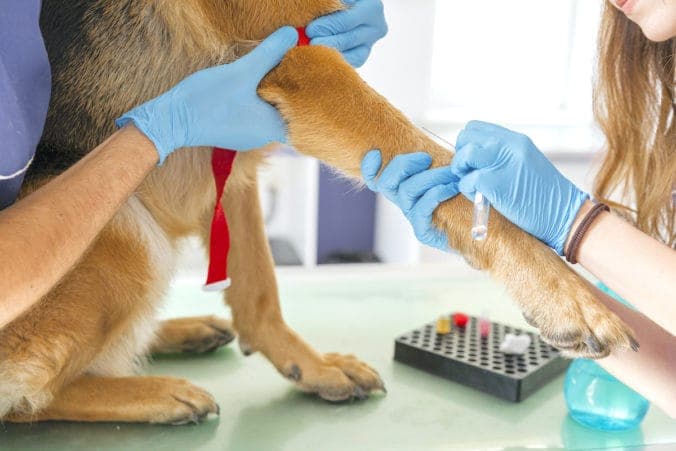
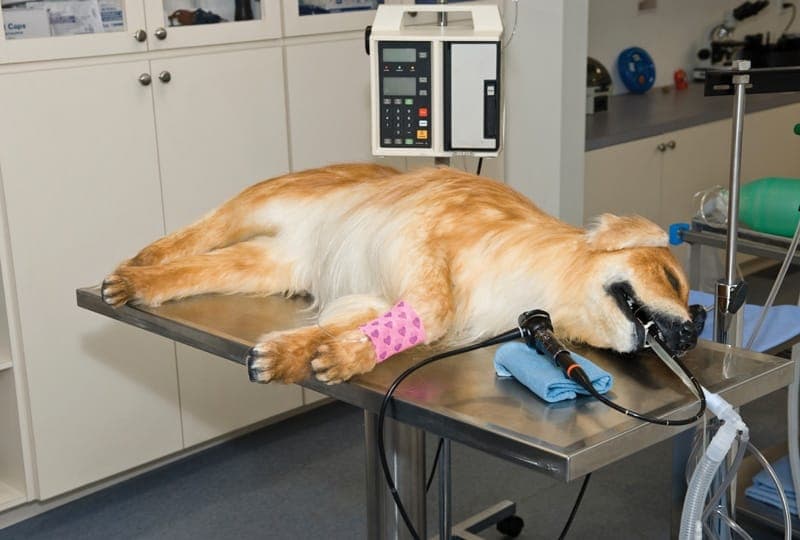
Hearing that your dog or cat will need a procedure under general anaesthesia almost always brings on some worry – even when the procedure itself is routine and the vet assures you everything will go smoothly. That's entirely natural. Anaesthesia is associated with losing control over what happens to our companion, and any responsible owner wants to know exactly what to expect, both before and after the procedure. In this article we explain, step by step, how to prepare an animal for general anaesthesia, which tests are worth doing beforehand, what monitoring during the procedure involves, and what a safe recovery at home looks like. We want you to feel prepared and calm, and your pet to feel safe at every stage of the process. This guide is written both for owners preparing their dog or cat for its first ever procedure under anaesthesia, and for those who simply want to refresh their knowledge before another visit to the clinic.
When Does an Animal Need General Anaesthesia
General anaesthesia accompanies many procedures in veterinary medicine, both planned ones and urgent interventions. Most commonly, this includes:
- spaying and neutering procedures for dogs and cats,
- dental procedures requiring thorough cleaning, removal of tartar, or tooth extraction,
- removal of skin lesions, tumours, and other abnormal tissue,
- orthopaedic procedures and other surgical operations,
- certain imaging and diagnostic examinations during which the animal must remain completely still,
- removal of foreign bodies from the digestive tract.
Every one of these cases is different, which is why the anaesthetic protocol is always chosen individually, taking into account the animal's age, health, weight, temperament, and the type of procedure planned. There's no single, universal anaesthetic scheme suitable for every patient. What works well for a young, healthy dog won't necessarily be right for an older cat struggling with a chronic illness – which is exactly why a thorough assessment of the animal's condition matters so much, even before a date for the procedure is set.
Procedures under general anaesthesia are usually divided into planned and urgent ones. Planned procedures, such as spaying or a dental procedure, allow time to calmly prepare the animal and to carry out full pre-anaesthetic diagnostics well in advance. Urgent procedures, needed for example after an injury or in a sudden life-threatening condition, tend to happen faster, sometimes with limited time for full diagnostics – in these cases the vet weighs the risk associated with the anaesthesia itself against the risk of not intervening immediately.
General Anaesthesia versus Local Anaesthesia and Sedation
It's worth distinguishing general anaesthesia from sedation and from local or regional anaesthesia. Sedation is a lighter form of calming, used for example for simple, minimally painful diagnostic procedures, during which the animal remains partly conscious. Local or regional anaesthesia blocks pain sensation only in a specific area of the body, while the animal remains fully conscious. General anaesthesia differs from both of these methods in that the animal loses consciousness entirely, and the vet takes full control of its vital functions for the duration of the procedure. The choice of the right method always depends on the type and scope of the planned procedure and the individual situation of the patient.
Pre-Anaesthetic Tests – Why They're Worth Doing
Before an animal reaches the procedure table, it's worth – and in many cases simply necessary – to check how its body is functioning. General anaesthesia places a degree of strain on the heart, lungs, liver, and kidneys, since these are precisely the organs responsible for metabolising and clearing the substances used in anaesthesia from the body. The more we know about a patient's condition before the procedure, the more safely we can choose an anaesthetic protocol and anticipate what needs particular attention during monitoring.
History and Clinical Examination
The foundation is always a thorough conversation with the owner – whether the animal has a chronic illness, whether it takes any regular medication, whether it's had any complications related to anaesthesia in the past, whether it has ever fainted, struggled to breathe, or shown poor exercise tolerance. The vet also carries out a full clinical examination – listening to the heart and lungs, assessing the mucous membranes, checking the pulse, and examining the abdomen. If you've noticed any additional symptoms of illness before the procedure – weakness, coughing, a change in appetite, vomiting, or diarrhoea – make sure to tell the vet before any decision about anaesthesia is made.
Blood Tests
Basic blood tests – a complete blood count and a biochemistry panel – help assess, among other things, how well the liver and kidneys are functioning, since these are the organs central to metabolising anaesthetic agents, as well as checking for anaemia, inflammation, or clotting disorders. In older animals, or those where a chronic illness is suspected, the scope of testing is often broadened depending on the individual situation.
Urinalysis
A general urinalysis complements the picture of how the kidneys and urinary tract are functioning. It can be particularly useful in older animals and in those where blood tests have shown abnormalities that need further investigation.
Echocardiogram and ECG
An echocardiogram allows the structure and function of the heart muscle to be assessed, while an ECG trace shows the heart's rhythm and electrical conduction. This matters especially in older animals, breeds predisposed to cardiac conditions, and patients in whom the vet has detected an abnormal rhythm or murmur while listening to the heart. You can read more about when this kind of diagnostic work is worthwhile on our cardiology consultation page.
Abdominal Ultrasound and Chest X-ray
An abdominal ultrasound makes it possible to assess the appearance and structure of internal organs – the liver, kidneys, spleen, and bladder – and to detect any abnormalities not visible on clinical examination. A chest X-ray is often recommended, especially for older animals or those with cardiac issues, to assess the appearance of the lungs and heart before anaesthesia. The vet always chooses the scope of these tests individually – not every animal needs the full set of tests listed here, but for older patients or those with additional conditions, broader diagnostics are worth considering.
Individual Anaesthetic Risk Assessment
Based on the history, the clinical examination, and the results of the tests above, the vet assesses the overall anaesthetic risk for a particular patient and, on that basis, chooses an appropriate protocol – the type of drugs, the monitoring approach, and the level of precautions needed. It's worth remembering that pre-anaesthetic tests are worthwhile even in an apparently healthy animal – sometimes it's precisely these tests that uncover a problem that hadn't previously produced any visible symptoms.
Pre-anaesthetic tests aren't a box-ticking formality – they're what allows the vet to choose a safe, tailored anaesthetic protocol for a specific animal, rather than applying the same scheme to every patient.
What Increases Anaesthetic Risk
Although general anaesthesia in healthy animals is a routine procedure today, there are several factors the vet takes into account when planning the protocol and the extent of monitoring for a particular patient.
Brachycephalic Breeds
Dogs and cats with short, flattened faces – such as pugs, French and English bulldogs, boxers, and Persian and exotic cats – have a different upper airway structure, which can make breathing more difficult both before the procedure and immediately after waking up. In these breeds, the vet usually recommends a longer observation period after the procedure and takes extra care during recovery to keep the airway clear.
Overweight and Obesity
Animals carrying excess weight may need adjusted drug dosing and closer monitoring of the respiratory and circulatory systems during the procedure. Maintaining a healthy body weight is one of the factors that genuinely makes anaesthesia safer to carry out, whenever there's time to plan for it in advance.
Chronic Heart, Kidney, and Liver Disease
Conditions affecting these organs have a direct impact on how well an animal's body copes with metabolising anaesthetic drugs, which is why patients with such diagnoses usually need broader pre-anaesthetic diagnostics and an individually adjusted protocol, as discussed in the previous section of this article.
Very Young or Elderly Animals
Both very young and very old animals may respond to anaesthetic drugs differently from adults in their prime, partly due to immaturity or the natural slowing of certain organ functions. This doesn't mean anaesthesia is contraindicated for them, but rather that the vet chooses the protocol with particular attention to these differences.
Severe Stress and Agitation Before the Procedure
An animal that arrives at the clinic in a state of extreme agitation or severe stress may need a slightly different approach at the premedication stage than a calm patient. That's why anything that helps lower stress before the visit – calm transport, a familiar blanket, the owner's own composure – matters not only for the animal's psychological comfort, but also indirectly makes things easier for the team carrying out the anaesthesia.
Preparing Your Pet on the Day of the Procedure
Fasting Before Anaesthesia
Your pet must be fasted. For at least 12 hours before the procedure, no food should be given at all – the only thing to make sure of is constant access to fresh water right up until you leave home. Fasting has a very specific rationale: under anaesthesia, the airway's protective reflexes are abolished or significantly weakened, and the presence of food content in the stomach increases the risk of it coming back up and entering the airway. So the fasting rule isn't a whim of the clinic's – it's part of keeping your pet safe, and it's worth sticking to precisely, even if your pet is begging for food right before you leave the house.
A Last Walk and Toileting
It's a good idea to take your dog on a few short walks beforehand, so it can empty its bowels and bladder properly. This reduces the animal's discomfort while waiting for the procedure and makes things easier once it wakes up, when control over the bladder and bowels is still limited.
What to Bring to the Clinic
Bring a thick blanket and a terry towel with you to the clinic. These will come in handy, because your pet will feel cold after the surgical procedure, and a warm blanket that smells like home will help it feel safer and settle more quickly after waking up. If your dog or cat takes any medication regularly, bring it along together with precise dosing information – the vet needs to know exactly what substances are already present in the animal's system before planning the anaesthesia.
Consent for the Procedure and Talking to the Vet
Before the procedure, you'll need to sign a consent form. This is a good moment to ask any questions that are worrying you – about how the procedure will go, how long the animal will remain under observation, when you'll be able to collect it, and what recovery looks like in the first few hours. The more you know, the easier it will be for you to prepare your home, and yourself, for your pet's return after the procedure.
Animals with Chronic Illness and Ongoing Medication
If your pet has a chronic illness and takes regular medication – for example for the heart, thyroid, or epilepsy – be sure to discuss with the vet whether it should be given, skipped, or given at a different time on the day of the procedure. Don't make this decision on your own – depending on the medication and the condition, the recommendation can vary considerably.
Preparing Your Home for Your Pet's Return
Before you set off for the clinic, it's worth preparing a calm spot at home for your pet's return in advance – away from noise, other animals, and household bustle. Lay out a thick, warm blanket or bedding there, place a water bowl within reach, and check that the animal won't have access to stairs, tall furniture, or slippery surfaces it could slip on as soon as it gets home.
How General Anaesthesia Works
Premedication
Before anaesthesia proper begins, the animal is usually given premedication – sedative and pain-relieving drugs that reduce the stress of being at the clinic, make the following stages of anaesthesia easier, and allow the amount of drugs given later to be reduced. The choice of specific agents depends on the species, age, health, and temperament of the animal.
Induction and Securing the Airway
The next stage is induction, meaning bringing the animal into a state of general anaesthesia. Once this is done, the vet secures the patient's airway, most often through intubation – placing a tube in the windpipe – which allows for controlled delivery of oxygen and anaesthetic gases and protects against aspiration.
Maintaining Anaesthesia
Throughout the procedure, anaesthesia is maintained, most often using inhaled anaesthetic agents delivered together with oxygen. The depth of anaesthesia is continuously checked and adjusted as the procedure progresses.
Monitoring Vital Signs
Throughout the entire procedure, the animal is continuously monitored. This includes, among other things, heart rate and rhythm, blood oxygen levels, the rate and depth of breathing, blood pressure, and body temperature. This allows the team carrying out the anaesthesia to react immediately if any parameter starts to move outside the normal range for that particular patient.
The Anaesthetic Record and Medical Documentation
The entire course of the anaesthesia is documented as it happens on an anaesthetic record – noting, among other things, the drugs given, the values of the monitored parameters, and any significant events during the procedure. This documentation is a valuable source of information if your pet needs another anaesthetic in future – the vet can then refer back to how the previous anaesthesia went and any reactions to particular drugs.
The Team's Role and an Individualised Protocol
A safe course of anaesthesia is the responsibility of a team – the vet carrying out the procedure, together with a person dedicated solely to monitoring the patient under anaesthesia. The entire protocol, from premedication through to waking, is tailored individually to the specific animal based on the history and test results gathered beforehand.
Modern Anaesthesia and Safety
Modern veterinary anaesthesiology has a wide range of drugs and monitoring techniques at its disposal, which have significantly increased the safety of general anaesthesia in animals compared to what was possible even a couple of decades ago. Even so, no anaesthetic is entirely without risk, which is why the pre-anaesthetic tests described earlier, along with continuous monitoring during the procedure, matter so much. If you have any concerns at all about the safety of anaesthesia for your particular pet, it's always worth discussing them directly with the treating vet – an honest conversation before the procedure is just as much a part of safety as the quality of the equipment and drugs themselves.
Cats versus Dogs – Does Anaesthesia Differ
The general principles of preparing for anaesthesia and post-procedure care are similar for dogs and cats, but each species has its own particular needs worth knowing about.
Cats' Particular Needs
As a species, cats react more strongly with stress to a change of environment and to the journey to the clinic itself, so it's worth using a calm, secure carrier and, where possible, avoiding unnecessarily long waits in a waiting room alongside other animals. Cats also often mask pain and discomfort far more effectively than dogs, so watching behaviour closely after returning home – appetite, activity level, the way the cat moves – matters especially with them.
Dogs' Particular Needs
Dogs usually show discomfort and pain more clearly, which makes it easier for an owner to judge how recovery is going, but they also tend to be more inclined towards excess activity as soon as they get home and start feeling a little better. That's why it's up to the owner to consciously limit their movement, even against the dog's own enthusiasm.
Supporting Your Pet Emotionally Before and After the Procedure
Simply being at the clinic, even one that's as friendly and used to animals as possible, can be a source of stress for a dog or cat – unfamiliar smells, sounds, the presence of other animals, and having to be separated from their owner for the duration of the procedure. Your role as an owner is to ease that stress as much as possible, both before and after the procedure.
The Role of Familiar Scents and Objects
A blanket or towel soaked in the smell of home, mentioned earlier, is calming not just because it's warm – the animal recognises something familiar in a completely new, stressful environment. For the same reason, if your pet has a favourite toy, it's worth considering bringing it along, provided the clinic allows it.
A Calm Voice and Your Presence
Animals sense their owners' emotions very well. If you yourself are tense and anxious, your pet will pick up on it and may respond with similar unease. Try to speak to it in a calm, familiar tone, avoid jittery movements, and don't drag out the goodbye more than necessary – a short, calm parting is usually easier for an animal than a long, tension-filled one.
Calm After Returning Home
After you get back from the clinic, give your pet time to rest in a calm setting, limiting visitors, noise, and excess stimulation. Even animals that are normally sociable and energetic need, above all, quiet and calm in the first hours after anaesthesia, rather than play or lively company.
Waking Up and the First Hours After the Procedure
What Waking Up Looks Like
Once the procedure is finished, the anaesthetic agents are stopped, and the animal gradually wakes up under the observation of the clinic's staff. This stage can be disorientating for the animal – your pet may be sleepy, unsteady on its feet, confused, and sometimes a little restless. This is a normal reaction of a body returning to full consciousness, and it gradually passes over the following hours.
Why Your Pet Feels Cold and Is Hypersensitive to Stimuli
After a surgical procedure, body temperature drops, so your pet feels cold – one of the reasons it's worth bringing a warm blanket along. At the same time, sensitivity to external stimuli increases: noise and touch that wouldn't normally register can now feel irritating and cause distress. It's worth keeping this in mind and providing your pet with a calm, quiet place to rest, both at the clinic and later at home.
A Safe Place to Rest
Your pet needs to lie down under supervision, ideally on a thick blanket or mattress, in a spot that isn't too high up, so it can't accidentally fall while it doesn't yet have full control of its own body. Avoid sofas or armchairs your pet could slide or jump off before it regains full coordination.
Involuntary Urination or Defecation
Keep in mind that your pet may urinate or defecate involuntarily – it doesn't yet have full control over its reflexes, so it isn't safe to leave it unsupervised during this period. This is a normal, temporary stage of waking up, not a cause for concern.
Other Animals and Children at Home
If there are other animals in the household, it's worth keeping them separate from the patient recovering from anaesthesia in the first few hours after returning home – even the most affectionate animals can cause unnecessary stress or accidentally injure the operated area. Similarly, children, however well-meaning, may want to hug and stroke your pet, which is best limited to calm, brief moments under adult supervision during this period.
Feeding After the Procedure
For the first 12 hours after the procedure, it's best not to give any food at all. Don't put a strain on your pet's digestive system right after the procedure – let its liver rest, since it already has more than enough work to do clearing the remnants of the anaesthetic agents from the body. Offer drinking water in small amounts, and watch to see that your pet is urinating normally.
Home Care in the First Days of Recovery
Protecting the Surgical Wound
The surgical wound needs to be protected from licking – ideally with a protective (Elizabethan) collar or a recovery suit, which you can either make yourself or buy at the clinic. Licking a wound, even seemingly gently, can cause it to open up, become infected, or become irritated, so the collar or suit should stay on the animal until the stitches are removed or the wound has clearly healed, in line with the vet's instructions.
Limiting Physical Activity
In the first few days after the procedure, it's worth significantly limiting your pet's physical activity – no boisterous play, jumping onto tall furniture, long walks, or running around. Even if your pet looks completely back to normal, the wound is still healing, and excessive exertion can delay this process or damage the wound. The return to normal activity – longer walks, play with other animals, running freely – should be gradual and ideally agreed at the follow-up visit, rather than introduced on your own as soon as your pet seems to be back to full fitness.
Hygiene and Bathing After the Procedure
While the wound is healing, it's best to hold off on bathing the whole animal, unless the vet advises otherwise – moisture and grooming products can irritate the area around the stitches or hinder healing. If the fur around the wound needs cleaning, it's better to do this locally, gently, and only in a way agreed with the clinic beforehand, rather than bathing your pet in the tub or under the shower on your own initiative.
Monitoring Urination and Appetite
Once home, watch to see that your pet is urinating normally and that its appetite is gradually returning. In the first few days after the procedure, it's best to start feeding smaller portions than usual, watching how the digestive system responds.
Medication Prescribed by the Vet
If the vet has prescribed pain relief, gut-protective, or anti-inflammatory medication, give it exactly as instructed – at the stated doses, times, and for the recommended duration. Don't stop the course on your own, even if your pet seems perfectly healthy, and don't give any additional medication without consulting the clinic.
The Follow-up Visit
After most procedures under general anaesthesia, the vet will schedule a follow-up visit – usually to assess how the wound is healing, remove stitches if needed, and check that recovery is progressing properly. It's not worth cancelling or postponing this visit, even if you feel everything looks fine – some complications, such as a slightly reopened wound or the start of inflammation, are easier for an experienced vet to spot than for you to notice at home on your own.
When to Contact the Clinic
Get in touch with us if you notice any concerning signs in your pet: heavy bleeding from the wound, obvious swelling, an unpleasant smell around the wound, prolonged loss of appetite, vomiting, diarrhoea, marked lethargy, difficulty breathing, or if you simply feel your pet isn't recovering the way you'd expect. When in doubt, it's always better to call and ask than to wait and worry.
Recovery after anaesthesia is a process in which patience, calm, and careful observation matter most. Most animals return to full fitness gradually, provided post-operative instructions are followed.
Frequently Asked Questions
How long will my pet take to recover after anaesthesia?
That depends on the type of procedure, the animal's age, and its overall health. The first effects of waking up usually pass within a few hours, while a full return to form and healing of the surgical wound is usually a matter of several days to a couple of weeks. It's best to discuss the specific course of recovery with the vet carrying out the procedure.
Can I stay with my pet while it wakes up?
The rules around an owner's presence during waking vary depending on the type of procedure and how the clinic is organised at the time. Ask about this during your conversation before the procedure – the vet will advise on what's best for your pet in that particular situation.
What should I do if my dog or cat doesn't want to eat after the procedure?
A lack of appetite in the first hours after the procedure is common and usually temporary, related to the residual effects of the anaesthetic agents. Try offering a small amount of easily digestible food once the recommended fasting period has passed. If the loss of appetite continues for too long, or is accompanied by other worrying symptoms, contact the clinic.
Is general anaesthesia safe for older animals?
Age on its own doesn't rule out anaesthesia, but older animals usually need broader pre-anaesthetic diagnostics and a more individually tailored protocol. The decision on whether to go ahead with a procedure is always made by the vet based on the animal's current state of health, not simply its age in years.
Do I need to stop giving my pet its regular medication?
Don't make this decision on your own. Always tell the vet about all the medications and supplements your pet takes regularly – they'll decide whether a given medication should be given on the day of the procedure, skipped, or given at a different time.
Will my dog or cat need to stay overnight at the clinic?
That depends on the type of procedure, how it goes, and your pet's overall condition after waking up. Some patients go home the same day; others, especially after more extensive procedures, stay under observation longer. The vet will let you know individually, based on how the specific procedure goes.
Can I give my pet a painkiller myself if I see that it's in pain?
No. Many painkillers used in humans are dangerous, and even toxic, to dogs and cats. If you feel your pet is in pain despite the prescribed treatment, contact the clinic rather than giving anything on your own initiative – the vet will decide whether the current pain management needs to be adjusted.
General anaesthesia, while it understandably causes worry, is today a routine and well-controlled procedure in veterinary medicine, provided there is thorough preparation, an individually chosen protocol, and attentive care at home after returning from the clinic. If you have any questions about a planned procedure under general anaesthesia for your dog or cat, we're happy to talk them through with you before a date is even set. Book a visit — call +48 22 823 35 63.