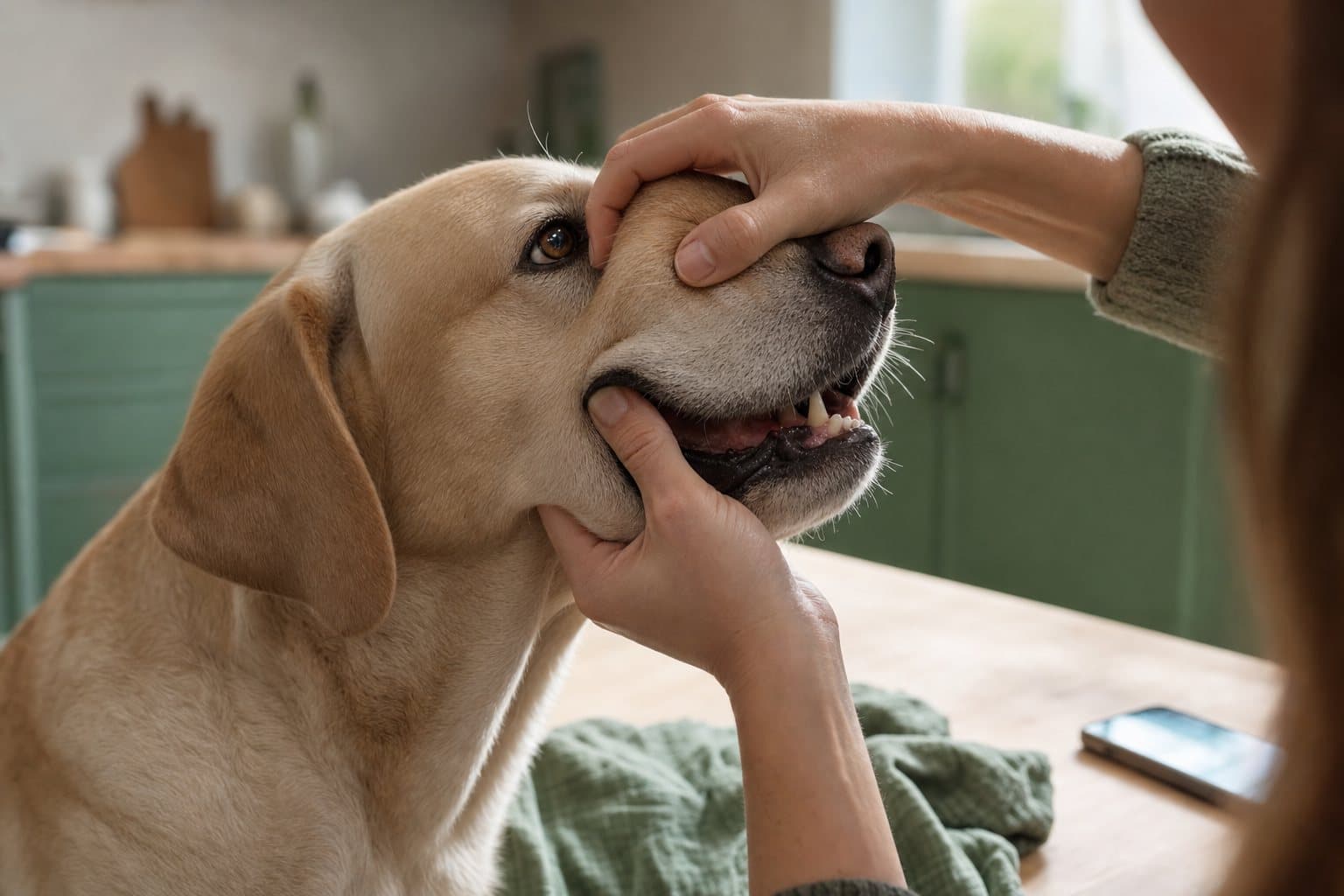
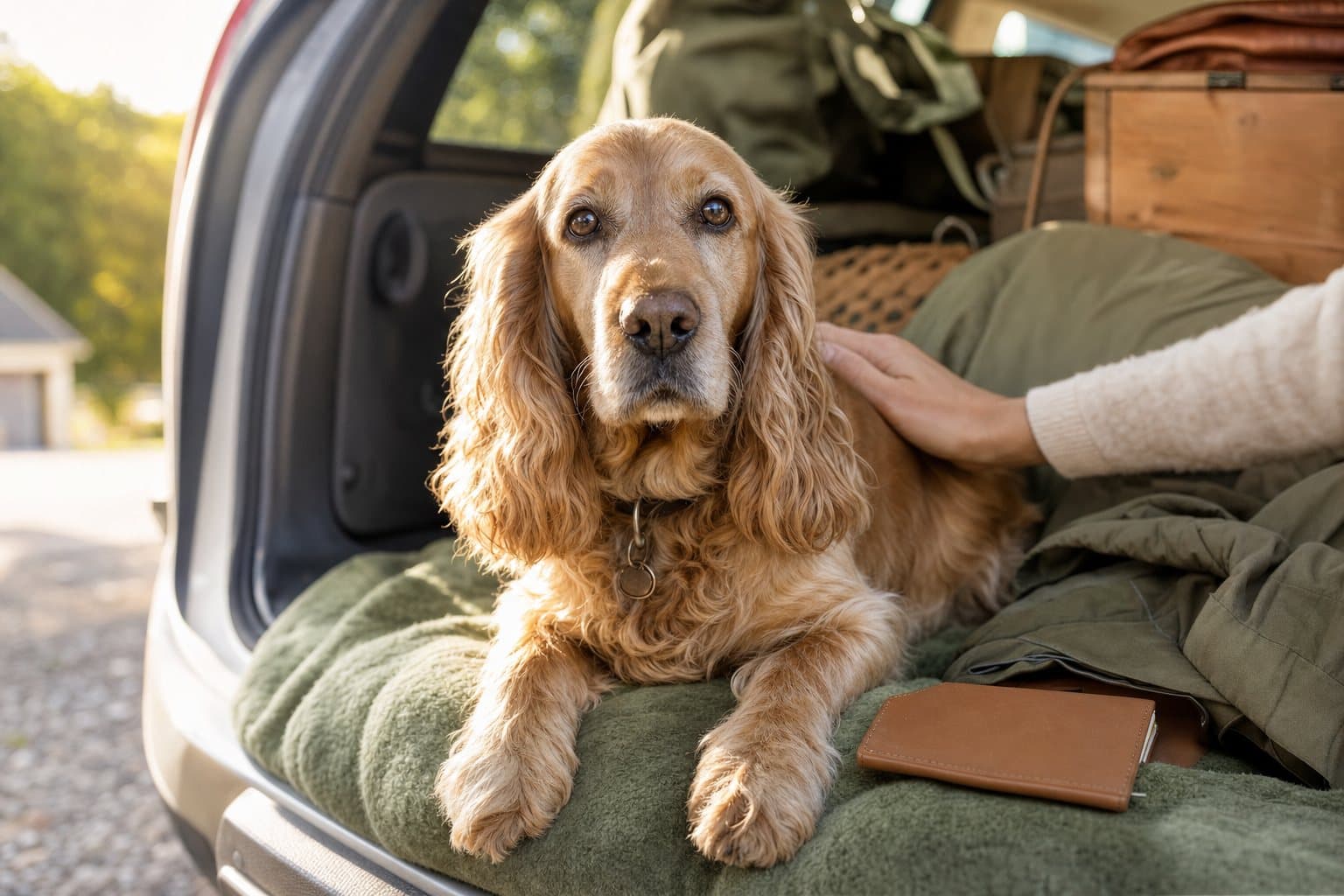
Travelling to different countries is incredibly interesting, and even more so when we can bring our pet along. Unfortunately, because the United Kingdom left the European Union, in the so-called Brexit, transporting dogs and cats to and from the Isles has become considerably more formal than it was when the UK was still part of the EU pet passport scheme. The good news is that with the right preparation, spread out over time and planned well in advance, travelling with a dog, cat or ferret remains entirely possible. In this article we bring together the current rules that apply in both directions, from the United Kingdom to the European Union and back, along with a practical preparation timeline and answers to the questions we hear most often from owners at our practice on Siemieńskiego Street.
What exactly did Brexit change for pet travel?
Before the United Kingdom left the structures of the European Union, dogs and cats travelled between the Isles and the continent under the EU pet passport scheme: a single document, valid for the animal's whole life, confirming its microchip and rabies vaccination history. After Brexit, the United Kingdom was given third-country status within the EU system, specifically, a Part 2 listed third country, which means additional formalities when entering the European Union. In practice, for a dog or cat owner, this means that simply having a microchip and a rabies vaccination is no longer enough: the animal now needs to travel with the right, up-to-date document issued shortly before departure.
What's more, these rules keep changing. Since 22 April 2026, another significant change has applied: UK residents no longer use EU pet passports when entering the European Union. Passports issued in the United Kingdom, as well as older EU passports that some owners had continued to use for years, may no longer be accepted as an entry document into the EU. Their place has been taken by the Animal Health Certificate, known as the AHC, issued separately for each trip.
Pet travel rules keep changing and can differ depending on the destination country. Before every trip with your pet, it is worth checking the current requirements on the official UK government website and on the website of the country you are travelling to, and ideally discussing your travel plans with your vet well in advance.
What does this change mean for Polish dog and cat owners?
It is worth pausing here, because the change of 22 April 2026 can be confusing when you read about it in news aimed mainly at UK residents. The new rule, replacing the EU pet passport with an Animal Health Certificate, applies above all to animals permanently resident in the United Kingdom and travelling to the European Union.
For most of our patients, meaning dogs and cats living in Poland, the situation is different and remains simpler:
- if your pet has a Polish, EU pet passport, issued by an authorised vet in Poland, with a current rabies vaccination entry, that passport remains the correct document for the whole trip, both when entering the United Kingdom and when returning to Poland;
- the new Animal Health Certificate is not required from Polish citizens, or citizens of other EU countries, travelling with their pet: it applies to animals registered and resident in the United Kingdom entering the EU;
- when entering the United Kingdom from Poland, your pet still has to meet the full set of conditions described later in this article: a microchip, a valid rabies vaccination recorded in the passport, and, for dogs, treatment against the tapeworm Echinococcus multilocularis 24-120 hours before entering the Isles.
If you are not sure whether the new Animal Health Certificate rule applies to you, or whether your EU pet passport is still valid, the simplest thing is to ask during a visit at our practice; we will work it out based on your country of residence and the direction of your planned trip.
Why do some countries have additional requirements?
The rules on tapeworm treatment, or on the longer waiting period after vaccination, are not arbitrary: they exist because the United Kingdom, Ireland, Northern Ireland, Finland, Malta and Norway have for years maintained status as areas free of the tapeworm Echinococcus multilocularis, a parasite that is relatively common in many countries of continental Europe, including Poland. The additional requirements are meant to protect the local animal population, and indirectly people too, since the larval form of this parasite can cause a serious zoonotic disease, from being introduced by travelling animals. This is why the rules differ by destination country and are not uniform across the whole European Union.
Travelling with a dog or cat from the United Kingdom to the European Union
Every dog, cat and ferret travelling from the United Kingdom to countries of the European Union must meet several basic conditions.
Microchip
The animal must be identified with an ISO-compliant microchip, implanted before the rabies vaccination or, at the latest, on the same day. The vet checks the microchip number at the time of vaccination and records it in the documentation; this number is where the animal's whole travel history begins.
A current rabies vaccination
The vaccination must be valid for the entire period of travel, and the animal must be at least 12 weeks old at the time of vaccination. A key rule that many owners forget: 21 days must pass from the date of the first, primary rabies vaccination before the animal can enter the European Union. This waiting period does not apply to subsequent booster vaccinations, provided they were given before the previous vaccination expired.
Warning: if a booster vaccination is given even a single day after the previous dose has expired, the whole procedure is treated as a primary vaccination, and the 21-day waiting period starts again from zero. That is why it is worth keeping a close eye on vaccination dates, well in advance.
Animal Health Certificate
Since 22 April 2026, the Animal Health Certificate, not the EU pet passport, has been the primary document for UK residents travelling with a pet to the European Union. The certificate:
- must be issued by an authorised vet, known as an Official Veterinarian, no earlier than 10 days before the planned trip,
- confirms the microchip, the rabies vaccination and the animal's general state of health,
- is valid for a single entry into the European Union, but once you have entered, it can then be used for a further 6 months, both for onward travel within the EU and for returning to the United Kingdom, provided the rabies vaccination remains valid throughout that time,
- must be reissued as a completely new certificate for every subsequent trip from the United Kingdom to the European Union.
It is worth bringing the animal's existing health records to the appointment itself, for example a previous passport or health record book, along with the exact date of the planned entry into the European Union and details of the route and mode of transport; some fields on the certificate require this information, and having it ready in advance shortens the visit itself.
In practice, this means that a visit to the vet to have the certificate issued is best planned as close as possible to the departure date, but with a little safety margin, since appointments with a vet authorised to issue such documents can be hard to get at the last minute, while also making sure the microchip and vaccination are dealt with well ahead of time.
Tapeworm treatment - only in certain cases
This is one of the more common sources of confusion. The mandatory treatment against the tapeworm Echinococcus multilocularis, given 24-120 hours before entry, applies only to dogs, not cats or ferrets, and only to travel to countries recognised as free of this parasite, such as Ireland, Northern Ireland, Finland, Malta or Norway. If you are travelling with a dog to, say, France, Germany or Spain, tapeworm treatment before entering the European Union is not required; it is still worth remembering, though, that regularly treating your dog for tapeworm is always good preventive practice, regardless of any travel plans.
Ferrets and other species
The rules described above, a microchip, a rabies vaccination and the appropriate travel document, also apply to pet ferrets. Other companion species, such as rodents, birds or reptiles, are subject to entirely separate sanitary and transport regulations, and many of them do not qualify for transport under the standard pet travel rules at all. If in doubt about a particular species, it is best to contact both the carrier and your vet in advance.
Returning to the United Kingdom from the European Union
For EU citizens entering the United Kingdom, the rules remain largely as they were, and include:
- correctly identifying the animal with a microchip,
- holding a valid passport issued in an EU country, or a UK-issued Animal Health Certificate, with a rabies vaccination recorded in it; the trip must take place within that vaccination's period of validity,
- treatment against the tapeworm Echinococcus multilocularis, which in this direction applies to every dog entering the United Kingdom, regardless of its final destination within the Isles; the treatment must be carried out 24-120 hours before travel and recorded in the animal's travel document.
This is an important asymmetry worth remembering: while travelling from the United Kingdom to most EU countries does not require tapeworm treatment before entry, entering the United Kingdom requires it for every dog, without exception.
Pets may only enter the United Kingdom at designated locations approved by the British government, and via approved carriers; these are usually ferry routes or the Eurotunnel, serving passengers travelling with pets through ports such as Calais, Caen or Dunkirk, where documents and the animal's microchip are checked before boarding the ferry or entering the tunnel. The list of approved routes and carriers can change, so it is best to book travel with your pet well in advance and confirm the current rules directly with the carrier.
The good news for travellers is that no additional rabies antibody test is required, nor is a blood sample from the animal sent to a laboratory; this requirement, which was burdensome in the first years after Brexit, was dropped under the agreement recognising the United Kingdom's status.
Car, ferry or plane - how to choose your way of travelling with a pet?
The choice of transport affects not just comfort, but also additional formal requirements worth knowing about in advance.
Travelling by car through the Channel Tunnel or by ferry
This is the option most commonly chosen by owners travelling in their own car, for example from Poland through Germany, Belgium or France. Eurotunnel operates dedicated pet check facilities near Calais, where the microchip and the animal's documents are checked before entering the tunnel. Ferry operators run similar checks on routes from Calais, Dunkirk or Caen. It is worth:
- booking your crossing well in advance and noting in the booking that you are travelling with an animal,
- allowing extra time for the document check at the terminal; you usually need to arrive earlier than for a standard departure,
- securing the animal in a carrier, or on a lead and harness, in line with the specific carrier's rules.
Travelling by plane
Not every airline carries animals, and those that do usually have their own additional requirements covering carrier size and type, the animal's maximum weight, transport in the cabin versus the cargo hold, and seasonal temperature restrictions. The animal still has to meet all the veterinary requirements described in this article; flight-specific documents are an addition to, not a replacement for, these formalities.
Whichever mode of transport you choose, it is worth booking your trip with your pet well ahead of time; the number of pet places on ferries, on the Eurotunnel, or on flights can be limited, and bookings fill up quickly during the holiday season.
Travelling with more than one animal
If you are travelling with more than one dog or cat, each animal must individually meet all the requirements described above: its own microchip, its own recorded rabies vaccination, and, where relevant, its own tapeworm treatment, recorded separately in each animal's travel document. Some carriers also limit the number of animals per passenger or per vehicle, so it is worth checking this before booking, especially if you are planning to travel with several pets at once.
Moving permanently versus a short trip - do the rules differ?
The requirements described above apply to every entry of an animal into a given territory, whether you are planning a week's holiday or a permanent move. It is worth remembering, though, that a permanent move brings additional considerations that are not directly related to the journey itself:
- registering the animal with a new vet in the destination country and continuing preventive care, such as tapeworm treatment, vaccinations or regular health check-ups,
- possible differences in local legislation, for example concerning certain dog breeds considered potentially dangerous in a given country,
- planning transport of a supply of the animal's belongings, including food, for the first few weeks in the new location, before you get to know the local market.
In both cases, whether a short trip or a permanent move, the best first step is a visit to the vet, where we can work out together a detailed preparation plan tailored to your specific situation.
What happens if the requirements are not met?
Animals that do not meet the required conditions, for example because their vaccination is out of date, they lack the proper document, or they have not had the required tapeworm treatment, may be held at the border and placed in quarantine, which in extreme cases can last up to 4 months. This is not only a huge source of stress for the animal and its owner, but also real costs and logistical complications. It is far better to spend a few weeks on careful preparation than to risk that situation.
If you are planning a trip with your pet for the first time, it is worth building in a margin for error; appointments with a vet authorised to issue certificates can be tight, and some stages of preparation, such as the 21-day wait after vaccination, simply cannot be rushed.
Preparation timeline - how to plan a trip with a dog or cat
Preparing to travel with a pet between the United Kingdom and the European Union is best spread across several stages. Below is an example timeline for a trip from the United Kingdom to the EU:
- 6-8 weeks before departure - book a check-up with your vet, check the microchip (if the animal doesn't have one, it will be implanted at this visit) and review the rabies vaccination history.
- If this is the first rabies vaccination - give it as early as possible, keeping in mind the mandatory 21-day waiting period before travel, which cannot be shortened.
- 10 days before departure - book an appointment with a vet authorised to issue the Animal Health Certificate; remember that this document must be issued within exactly this time window.
- If you are travelling with a dog to a country requiring tapeworm treatment - Ireland, Northern Ireland, Finland, Malta or Norway - plan to give the treatment 24-120 hours before entry and ask your vet to record this in the documents.
- A few days before travel - check the requirements of your specific carrier: airline, ferry or Eurotunnel, including rules on the carrier, the animal's weight, or breed restrictions.
- On the day of travel - carry all documents in the original, and ideally also as photos or copies, plus a supply of water, food and, if needed, any medication the animal takes regularly.
- When planning the return trip - remember that entering the United Kingdom requires tapeworm treatment for every dog, so this stage needs to be planned for the return leg too.
Costs and the owner's responsibility
Transporting dogs, cats and ferrets to and from the United Kingdom is done at the pet owner's expense. This means we are responsible for arranging, and paying for, all the tests, vaccinations, tapeworm treatments and documents ourselves, including the Animal Health Certificate. The cost of individual services varies depending on the practice and the scope of tests carried out, so it is best to ask for a current quote directly at the place where you plan to have each procedure done.
The overall cost of travelling with a pet is usually made up of several elements: microchipping, if the animal does not already have one, the rabies vaccination, issuing the Animal Health Certificate or the corresponding entry in the passport, and, for dogs travelling to certain countries, the tapeworm treatment. On top of that, it is worth budgeting for a carrier, a ferry ticket, a Eurotunnel crossing or a flight with your pet, as well as optional travel insurance.
What else is worth remembering when planning a trip with your pet
Beyond the veterinary formalities themselves, there are a few additional things worth considering when preparing a trip with a dog or cat.
- Carrier rules - every airline, ferry operator or Eurotunnel has its own additional requirements on carriers, weight limits or the number of animals on board. It is worth getting to know them well in advance.
- Brachycephalic breeds - some carriers restrict or entirely exclude air transport of flat-faced dog and cat breeds, such as bulldogs, pugs or Persians, because of the increased risk of breathing problems during a flight.
- Breeds and types subject to national restrictions - regardless of EU and UK pet travel rules, the United Kingdom maintains separate, national legislation on certain dog breeds and types considered potentially dangerous, which may require additional permits, and in some cases may exclude a particular dog from entering the country altogether. If you have a dog of a breed or type about which there is any doubt, it is essential to check this on the official government websites well ahead of your planned trip.
- Older or chronically ill animals - a long journey and a change of environment are a considerable strain on the body. It is worth discussing with your vet whether your pet is fit enough for the planned trip and whether it needs any additional support.
- Never give sedatives on your own before travel without consulting your vet; sedation in travelling animals, especially by air, can be dangerous and in many cases is actively discouraged.
- A lost or damaged document - if a passport or health certificate is lost shortly before travel, contact the vet who issued it, or another vet authorised to issue a duplicate or new document, as soon as possible.
- Pet travel insurance - it is worth considering a policy covering veterinary treatment costs abroad in case of an emergency.
A practical checklist - what else to pack when travelling with a dog or cat
Beyond the full set of documents, it is worth preparing some practical equipment for the journey itself:
- A supply of food and water - ideally the same product the animal is used to, in an amount covering the whole trip plus the first few days after arrival, in case the same product is hard to find abroad.
- A carrier, or a harness and lead - matched to the specific carrier's requirements and to the animal's temperament.
- A collapsible bowl and a bed or blanket carrying a familiar home scent, which helps the animal settle in an unfamiliar environment.
- A supply of any regular medication - ideally in its original packaging with dosage instructions, with some extra in case of a delayed return.
- Copies of documents - photos or photocopies of the passport, health certificate and vaccination certificates, kept separately from the originals.
- Extra identification - a tag with a phone number on the collar is a simple but effective way to identify your pet if it goes missing despite the microchip.
- Contact details for a local vet - it is worth finding a veterinary practice near your destination in advance, in case of an emergency.
What to do if your pet falls ill during the trip or abroad
Even the best-planned trip is no guarantee that nothing will happen. If your pet falls ill or has an accident abroad:
- Contact the nearest local veterinary practice; the passport or health certificate contains the full vaccination history, which helps the vet on site assess the situation.
- Keep all documents with you throughout your stay, not just when crossing the border.
- If you have taken out pet travel insurance, keep the insurer's contact number and your policy number to hand.
- If in doubt about how to proceed, you can also call our practice; while we cannot replace a vet on the spot, we are happy to help think through the situation and suggest next steps.
Frequently asked questions
Do the rules apply only to dogs and cats?
No. The same basic rules, a microchip, a rabies vaccination and the appropriate travel document, also apply to ferrets. The rules on tapeworm treatment, however, do not apply to cats or ferrets; they apply only to dogs.
How long is the Animal Health Certificate valid for?
The Animal Health Certificate allows a single entry into the European Union and must be issued no earlier than 10 days before departure. Once you have entered the EU, it can then be used for a further 6 months, both for onward travel within the EU and for returning to the United Kingdom, provided the rabies vaccination remains valid throughout that time. However, a completely new certificate is needed for every subsequent trip from the United Kingdom to the EU.
What happens if I forget to treat my dog for tapeworm before entering the United Kingdom?
A dog that has not had the required tapeworm treatment within the 24-120 hour window before entry may be turned back, subjected to additional border procedures, or placed in quarantine. It is far better to keep track of this deadline in advance than to hope for an exception on the spot.
Can a puppy or kitten travel abroad?
A rabies vaccination can only be given once the animal has reached 12 weeks of age, and a further 21-day waiting period applies from that point. In practice, this means the youngest animals that can legally travel are at least around 15 weeks old. Below that age, international travel in line with the regulations is not possible.
Could the rules change again?
Yes; since Brexit was introduced, pet travel regulations have already been updated several times, and another significant change took effect in April 2026. It is always worth checking the current guidance on official government websites before a planned trip, and consulting our practice.
I am a Polish citizen - does the new Animal Health Certificate apply to me instead of a passport?
No. The change of 22 April 2026 applies to animals resident in the United Kingdom travelling to the European Union. Polish owners travelling with their pet still use the EU pet passport issued by a Polish vet, both when entering the United Kingdom and when returning to Poland.
Can an animal with a chronic illness or an older pet travel?
In many cases, yes, but the decision is best made individually with the vet treating your animal. A long journey, a change of climate, the stress of a new environment, and the border formalities themselves can all be an additional burden for a body weakened by chronic illness or old age. Your vet can help assess whether your pet is fit for the planned route and advise on how best to prepare.
Travelling with a dog or cat to the United Kingdom and back to the European Union requires more formalities today than before Brexit, but with the right, early preparation it remains entirely feasible and safe for the animal. If you are planning such a trip and would like to know what tests, vaccinations and documents you will need for your specific situation, please get in touch with our practice; we will help you put together a realistic preparation timeline and issue the necessary documentation. Book a visit — call +48 22 823 35 63.