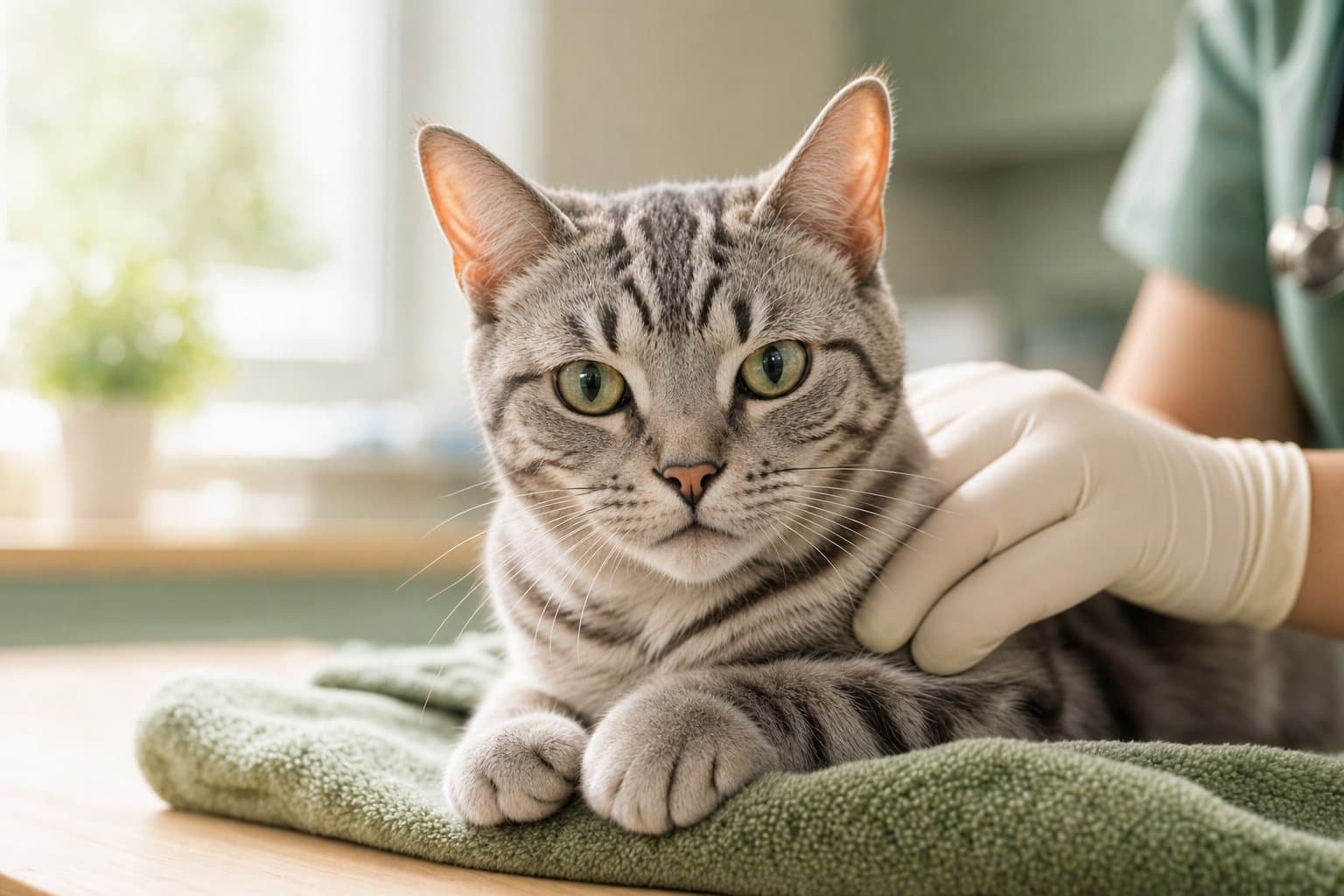
A vet clinic is supposed to be a place where you can ask about anything – dosages, vaccination schedules, whether there's a free slot this week. Yet, surprisingly rarely do people ask about the most basic things: how to actually take a dog's temperature, whether it's safe to bathe a female dog in heat, how to give a cat a pill without anyone getting hurt. Many owners are embarrassed to ask about such "obvious" things, afraid of an odd look in response, or afraid of feeling incompetent. But nobody is born knowing how to use a thermometer on a dog – you simply have to learn it, ideally before you have to do it in the middle of the night, worried and exhausted.
These are exactly the kinds of questions we hear most often at our Hau-Miau clinic at ul. Siemieńskiego 23 in Warsaw's Ochota district – asked in a hushed voice, as if they concerned something shameful rather than everyday pet care. We've noticed a pattern over the years: the more someone starts a sentence with "this might be a silly question, but…", the more likely it is that they're asking about something that genuinely puzzles almost every dog or cat owner, except nobody had dared to say it out loud before. There's nothing strange about that – pet care is a set of practical skills we mostly learn by trial and error, often with no instruction at all, "on the fly," under the pressure of the moment.
In this article we've gathered these questions together. We start with two classics – taking a temperature and bathing a female dog in heat – and then keep going, because there are far more of these "obvious yet not so obvious" topics than you might expect. Think of it as a small compendium of things that are genuinely worth asking about – ideally before they become urgent.
Taking Your Dog's or Cat's Temperature
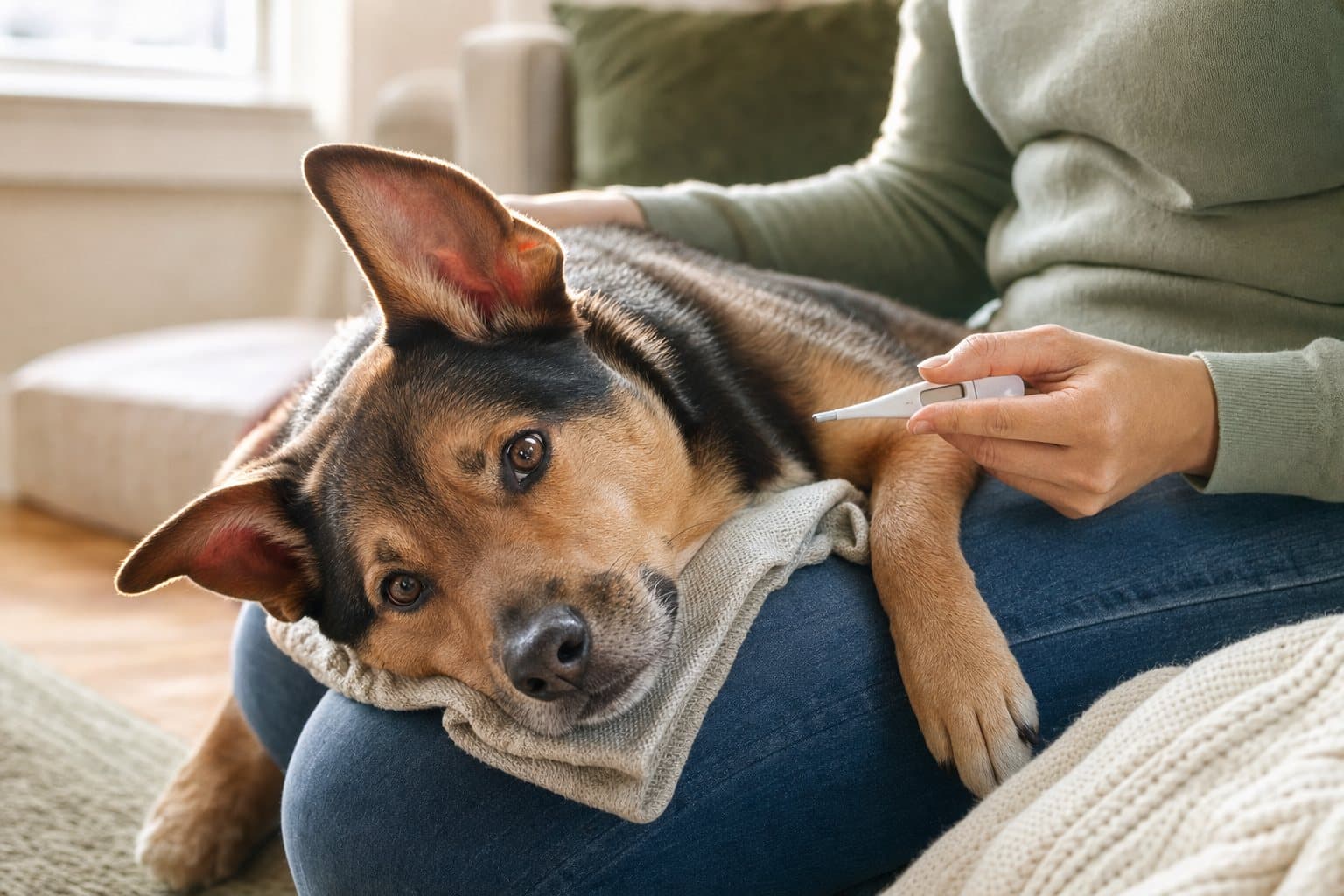
You'd think that taking your own dog's temperature (harder still with a cat) shouldn't be a problem. Yet in practice it turns out to be one of the most commonly postponed tasks of home pet care – and at the same time one of the most useful when you need to quickly judge how serious a situation is.
Why the Nose Is a Poor Indicator
There's a persistent belief that a warm, dry nose means a fever, while a cold, damp one means good health. That's an oversimplification that can easily mislead you. A nose can be warm and dry after exercise, after a wild run in the park, or after a long, deep nap – and that has nothing to do with illness. In older dogs the nose is often permanently changed and, day to day, is no longer damp or cool, even though the dog is perfectly healthy. The opposite also happens: an animal genuinely has an elevated temperature yet still has an appetite and seemingly good spirits. The only measurable value that truly tells us whether an animal has a fever is the number on the display of a thermometer inserted into your pet's rear end – nothing else.
How to Take the Temperature Step by Step
The procedure itself isn't complicated, nor is it – contrary to appearances – quite as unpleasant as it seems, as long as you approach it calmly and consistently.
- Buy an ordinary, one-minute electronic thermometer at the pharmacy – it doesn't have to be labelled "veterinary"; any thermometer suitable for rectal use will do.
- If possible, ask someone at home to help hold the animal. The first time, a dog or cat may struggle and be afraid – that's natural and doesn't mean you're doing something wrong.
- Stay calm. Don't fuss over the animal as though it were suffering some tragedy – treat it as something completely normal, ideally followed by praise and a treat. You're not "torturing" your pet; you're teaching them that sometimes you have to put up with something that isn't a reward, but isn't anything terrible either.
- Put a little cream, petroleum jelly, paraffin oil, or plain cooking oil on the tip of the thermometer – anything that provides lubrication.
- Gently lift the tail (without pulling it up too high), find the opening, and carefully insert the thermometer to a depth of roughly a third of its length.
- Hold it until you hear the beep and read the result on the display.
The most common mistake made in a hurry is forgetting to turn the thermometer on before inserting it. Practice really does make perfect – the more times you take the temperature of a healthy animal in a calm, home setting, the easier it will be to do it at a moment when every minute counts.
What Values Are Normal
In a healthy dog, temperature falls roughly between 38.3 and 39 degrees Celsius. In cats the range is usually described similarly, though some sources give a slightly wider bracket – which is why, instead of fixating on one number, it's worth learning what's typical for your own animal. Puppies and kittens may run a slightly different temperature than adults, and in older animals, temperature regulation tends to be less stable – another good reason to establish a "baseline" before interpreting any deviation.
Knowing your own pet's baseline matters a great deal in practice. Some dogs and cats react to stress at the vet's office so strongly that their temperature can rise to values we'd otherwise consider worrying. If, at home, in calm conditions, you take a healthy animal's temperature a few times at different times of day, you'll have a reference point. When the thermometer at the clinic shows a higher reading than at home, but the animal is behaving normally, we're probably dealing with stress rather than illness – something still always worth discussing with your regular vet rather than diagnosing on your own.
Fever vs. Overheating – Two Different Things
It's also worth distinguishing a fever from overheating (hyperthermia unrelated to infection). A fever is the body's response to inflammation, infection, or another disease process – the "thermostat" in the brain deliberately raises the set point. Overheating, on the other hand, is a situation where the body simply can't dissipate heat fast enough – most often after exertion on a hot day, in an overheated car, or during a long walk without access to shade or water. Both situations can produce a similarly high thermometer reading, but overheating, especially in flat-faced breeds (bulldogs, pugs, Persian cats), can develop very quickly and can be life-threatening. If the temperature is high and is accompanied by intense panting, weakness, a wobbly gait, or loss of consciousness after exercise or heat exposure, that's a situation for an immediate call to the clinic, not a "let's wait for it to cool down" approach.
The Thermometer as a Warning Sign
Taking a temperature can also be a practical diagnostic tool in specific situations. One of the few physiological cases in which body temperature clearly drops is approaching labour – a simple signal, known to nearly every dog and cat breeder, that allows you to predict that labour will begin within the next several hours. Outside that specific context, a fever (temperature above normal) or hypothermia (temperature below normal) is always a signal to contact the clinic – especially if accompanied by lethargy, loss of appetite, trembling, rapid breathing, or other worrying symptoms.
Alternatives to the Rectal Thermometer
Ear thermometers and contactless (infrared) thermometers are also available, and can be more convenient to use, especially for animals that tolerate rectal measurement very poorly. It's worth knowing, though, that their accuracy tends to be lower and depends on measuring technique, ear anatomy, or the presence of fur – when in doubt, the traditional method remains the most reliable. If you choose an alternative method, it's worth discussing with your vet how reliable its readings are for your particular animal, and treating it more as an early signal than a final verdict.
The Most Common Measuring Mistakes
- Relying solely on the feel of the nose or ears instead of a thermometer.
- Forgetting to switch the thermometer on before inserting it.
- Moving too abruptly or nervously, teaching the animal that this is an unpleasant experience to be avoided at all costs.
- Treating a single measurement taken at the clinic as the only reference point, without knowing the "home baseline."
- Ignoring mild but persistent deviations from normal just because the animal "is still eating and playing normally."
Bathing a Female Dog in Heat
The second question that comes up regularly at the clinic, usually in a lowered voice, is: is it even allowed to bathe a female dog while she's in heat? The answer is simple – yes, if there's a need for it, you can, and sometimes it's genuinely worth doing.
What Heat Actually Is
Heat is the common name for oestrus, the phase of a female dog's reproductive cycle during which ovulation occurs and she is able to conceive. The full reproductive cycle is conventionally divided into several phases: proestrus (initial bleeding, vulvar swelling, interest from males without accepting mating), oestrus (the period of accepting mating), dioestrus (the phase following heat), and anoestrus (sexual rest). The length of each phase varies between individual females and breeds, so rather than sticking to rigid timeframes, the best source of information is observing your own dog and consulting your regular vet – especially if mating is planned or you have doubts about how the cycle is progressing.
Can You Bathe a Female Dog in Heat
Yes – and sometimes it's practically necessary. It's worth remembering, though, that this is a period when a female dog's body is under the strain of hormonal changes, and she may be somewhat run down. Bathing, especially hygienic bathing – thoroughly washing the hindquarters, or a short bath in warm water – is entirely appropriate and helps keep the house clean. Use a gentle shampoo formulated for dogs, rinse the coat thoroughly, and dry the animal properly to avoid skin irritation in this sensitive area.
Everyday Hygiene – Accessories That Help
Beyond bathing itself, many owners turn to so-called "hygiene pants" for female dogs during this period – stretchy nappy-like garments with an opening for the tail that protect the house from stains without interfering with the dog's normal activities. It's worth choosing a size that fits her build well, changing the liner often enough, and regularly checking the skin underneath for any chafing or moisture-related irritation. It also helps to keep wet wipes on hand for quick clean-ups, and to wash bedding and rugs more often than usual in the spots where she rests most.
What to Avoid During Heat
- Vaccination – during this period a female dog's immunity may be physiologically lower, so vaccinating during heat is generally discouraged; it's better to schedule it for a period of sexual rest.
- Off-lead walks in places where unneutered male dogs may be present – the risk of an unwanted mating is real even during a brief moment of inattention.
- Elective procedures not linked to urgent necessity – many surgical procedures, including routine spaying, are best performed outside the heat period, a decision always made by your regular vet.
Deworming and standard antiparasitic treatments, however, can be used without any concern – heat is not a contraindication here.
When to See a Vet Urgently
Heat itself is a physiological process, but certain symptoms during or shortly after it should prompt a quick visit:
- prolonged, very heavy bleeding that goes well beyond the typical length of heat,
- purulent, foul-smelling discharge from the vulva,
- lethargy, loss of appetite, elevated temperature,
- excessive thirst and passing larger-than-usual amounts of urine,
- an increase in abdominal girth a few weeks after heat has ended.
Symptoms such as purulent discharge, lethargy, or fever after heat can point to pyometra (a uterine infection) – a life-threatening condition requiring urgent veterinary intervention. When in doubt, it's always better to call and ask than to wait for it to "sort itself out."
False Pregnancy – An Equally Awkward Topic
After heat, usually within a few to several weeks, some female dogs – regardless of whether mating occurred – may develop signs of a false (phantom) pregnancy: enlarged mammary glands, sometimes even mild lactation, behavioural changes, "nest building," and overprotectiveness towards toys treated like puppies. This is a hormonal phenomenon, not a psychological disorder or a sign that your dog is being "odd" – but it's still worth discussing with your vet, especially if symptoms are pronounced, recurrent, or clearly uncomfortable for her. In some cases supportive treatment may be recommended, and recurrent false pregnancies are sometimes one of the arguments raised in a conversation about spaying.
Other "Embarrassing" Questions We Hear All the Time
Temperature and heat are just the tip of the iceberg. At the Hau-Miau clinic, certain questions keep coming back, asked in a hushed voice as though they concerned something inappropriate – when in fact they're just ordinary, everyday pet care.
How to Give a Cat or Dog a Pill Without Anyone Getting Hurt
Giving an oral medication can turn into a full-blown battle, especially with cats. A few rules make life easier for everyone involved:
- Unless your vet advises otherwise, a pill can be hidden in a small piece of a favourite treat, pâté, or wet food – provided the animal eats the whole portion rather than cleverly working around the tablet.
- Special pill-giving applicators ("pillers") exist that let you place the tablet further back in the mouth, away from the teeth – safer than pushing your fingers between the fangs of an annoyed cat.
- After giving a pill "dry," it's worth following up with a little water from a needle-less syringe or a piece of moist food, to make sure the tablet actually reaches the stomach rather than getting stuck in the oesophagus.
- If the animal consistently spits the medication out, or oral dosing is simply very difficult, ask your vet about an alternative form – some medications are available as a flavoured suspension, a chewable treat, or a topical formulation applied to the skin.
How to Check Your Pet's Hydration at Home
A simple test any owner can do at home: gently lift a fold of skin at the scruff of a dog's or cat's neck and let go. In a well-hydrated animal, the skin snaps back into place almost immediately. If the skin fold stays "tented" for a noticeable moment, that can suggest dehydration – especially combined with sticky, pale gums, lethargy, or sunken eyes. Another simple indicator is the colour and moistness of the gums and capillary refill time – a gentle press with a finger on the gum should cause a brief blanching, after which colour should return quickly. A clearly delayed return of colour is a signal to contact the clinic as soon as possible, rather than trying to "rehydrate at home" an animal that hasn't had a drink in hours and is listless.
Anal Glands – The Topic Nobody Wants to Say Out Loud
One of the most "embarrassing" questions is about a pet scooting its rear across the carpet. This behaviour is most often linked to full or irritated anal glands – small sacs located on either side of the anus that normally empty on their own during defecation. In some dogs (less often cats), this mechanism doesn't work as well, leading to discomfort, itching, and sometimes inflammation. Symptoms that should prompt a visit include, among others:
- the scooting behaviour mentioned above,
- excessive licking or biting at the area around the anus,
- an unpleasant, distinctive odour,
- tenderness when the area is touched,
- visible swelling or, in more advanced cases, a draining tract.
Manual expression of the glands can be arranged with your vet or a trained groomer – it's a procedure that, if done incorrectly, can be painful or cause injury, so we don't recommend experimenting on your own without first having the technique shown by a professional.
How to Measure Breathing Rate and Pulse at Home
Like temperature, breathing rate and pulse are values worth knowing in a healthy animal, so you have a point of reference if something seems off. Breathing is easiest to count by watching the chest movements of a sleeping or calmly resting animal over a set period and then converting the count to a per-minute rate. Pulse can be felt by placing a hand on the chest near the elbow, or by feeling for the pulse on the femoral artery, on the inside of the thigh. The point isn't to memorise exact numeric norms – these vary with size, age, condition, and breed – but to know what a calm, healthy breathing rate and pulse "look and feel like" for your particular pet. A clear departure from that individual baseline, especially combined with distress, laboured breathing, or weakness, is a signal for urgent contact with the clinic.
How to Check at Home Whether Your Pet Is at a Healthy Weight
Another question that rarely gets asked outright, even though it probably concerns the largest share of patients, is: "is my dog or cat perhaps a bit too heavy?" Weight alone tells you less than you'd think, because a healthy body mass depends on breed, build, and age – so instead of a number on a scale, a simple visual-and-hands-on assessment, known as body condition scoring, tends to be more useful. Looking at the animal from above, a healthy body should show a visible waist tuck behind the ribs. Looking from the side, the belly should be slightly tucked up, not hanging in a straight line or forming an obvious "apron." Running your fingers gently along the sides of the chest, you should be able to feel the ribs easily under a thin layer of tissue, without them being visible to the naked eye. If you can't feel the ribs at all and the waist has disappeared, that's a sign it's worth talking to your vet about weight management – excess weight in dogs and cats increases the risk of joint problems, cardiovascular issues, diabetes, and complications during procedures under anaesthesia. On the other hand, sharply prominent ribs, a protruding spine, and muscle wasting are signs of being underweight, which equally deserves a conversation with your vet.
Bad Breath and Tooth Brushing
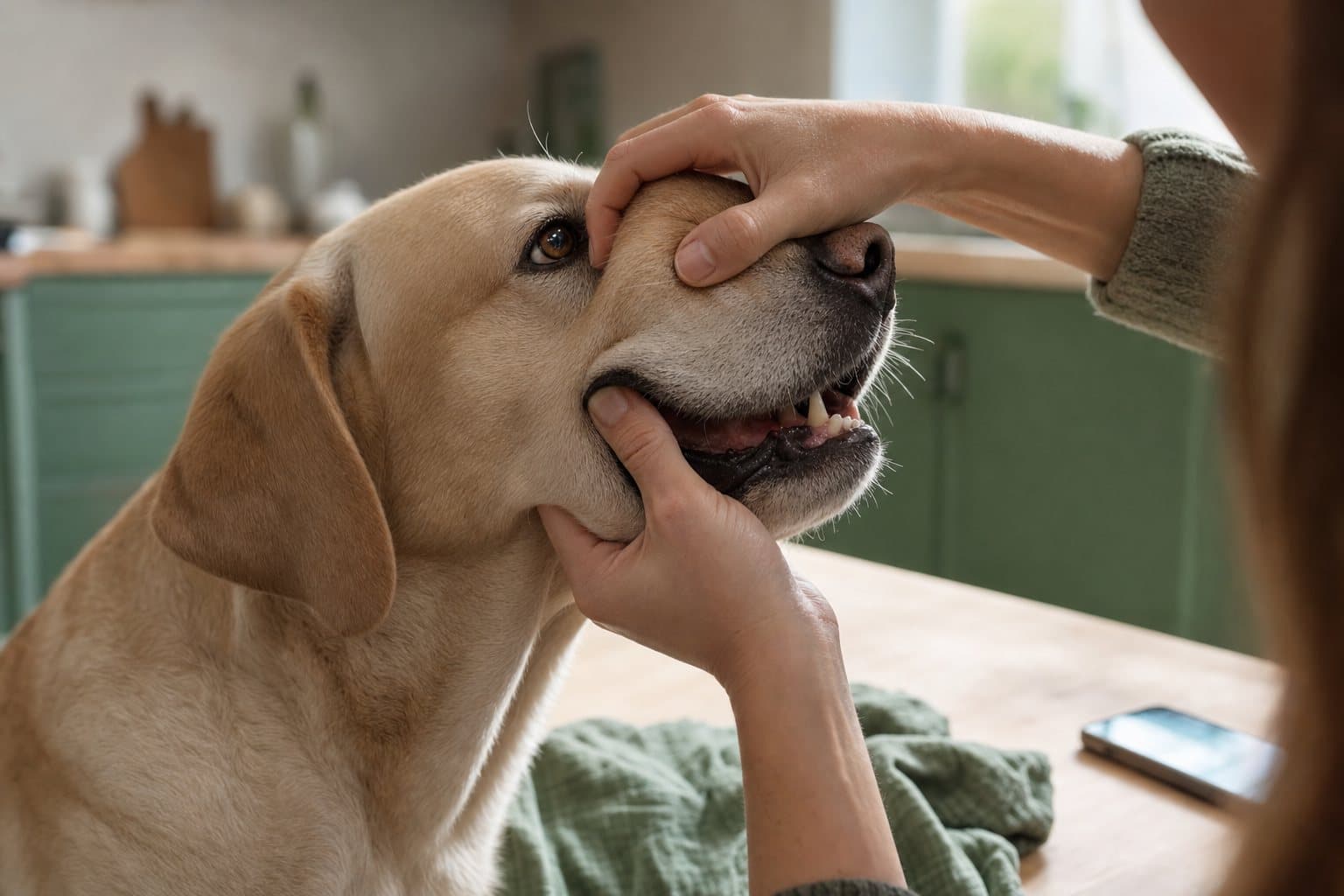
Unpleasant breath is often treated as something normal that you "just have to live with" – and that's a mistake. Yes, a mild, characteristic smell after eating is natural, but distinctly foul, persistent breath usually points to accumulating tartar, gum inflammation, or other problems in the mouth that can, over time, lead to pain, difficulty eating, and even affect other organs. Regular tooth brushing with a special animal toothpaste (never human toothpaste, which can be harmful to pets) is the best prevention, though it requires patience and gradually getting the animal used to it, ideally starting from a young age. Appropriately chosen dental chews and toys that support oral hygiene also help, along with regular dental checks during routine visits. If breath suddenly worsens, along with drooling, difficulty eating, or visible facial swelling, that's clearly a reason for a visit rather than home experiments.
Constipation or Trouble Urinating? How to Tell the Difference
This question can be confusing, because from the outside both situations look very similar: the animal takes up a position to relieve itself, visibly strains, sometimes meows or whines, and nothing seems to happen. It's worth watching closely which exact activity is involved – the posture for attempting to pass stool differs from that for urinating, though in some animals the difference can be subtle. Particular vigilance is needed with male cats: repeated, unproductive attempts to urinate, loud meowing in the litter box, licking at the urethral area, or visible distress can indicate a urinary tract obstruction – a life-threatening situation requiring immediate veterinary help, not a few hours of "let's see if it sorts itself out." Ordinary constipation is unpleasant but rarely as sudden an emergency as a blocked urinary outflow, so when in doubt, it's decidedly safer to call the clinic than to guess at home.
Cleaning Ears and Trimming Claws
These are further tasks owners often put off because they "don't know how to do it properly" and are embarrassed to ask. Ears are cleaned using products designed for the purpose – never cotton buds pushed deep into the ear canal. The liquid is applied into the ear canal, the base of the ear is gently massaged, the animal is then allowed to shake its head, and any excess product and debris on the visible part of the ear flap is wiped away with a cotton pad or soft gauze. Trimming claws requires good lighting and patience – in animals with light-coloured claws you can see the pink quick, which must be avoided, while in animals with dark claws it's better to trim in small increments, carefully checking the cross-section after each cut. If in doubt, it's worth having the first trim done under the supervision of a vet or groomer, to see the technique in action rather than learning from your pet's mistakes.
Embarrassment is not a good advisor when it comes to caring for an animal. A question that seems "too trivial" to ask is usually the one that makes the biggest difference – for you and for your pet.
Frequently Asked Questions
How often should I take the temperature of a healthy pet?
There's no need to do it every day. A few measurements at different times of day, while the animal is healthy, are enough to learn its individual baseline. After that, you reach for the thermometer mainly when something worries you – lethargy, loss of appetite, vomiting, diarrhoea, or other unusual behaviour.
Can I take the temperature with an ear thermometer instead of a rectal one?
Ear thermometers are more convenient, but their accuracy tends to be lower and depends on measuring technique and the animal's ear anatomy. If the result raises doubts, or the animal seems unwell despite a "normal" reading, the safest approach is to verify with a rectal measurement or consult your vet right away.
Can a female dog go for walks while in heat?
Yes, exercise is entirely appropriate, but extra caution is needed in places where unneutered male dogs may be present – it's best to keep her on a lead and avoid prolonged contact with other dogs during this period.
Should bleeding during heat worry me?
Moderate bleeding is a normal part of heat. What should raise concern is very heavy bleeding, bleeding that continues well beyond the typical length of heat, bleeding with an unpleasant odour, or bleeding accompanied by general weakness – in that case it's worth contacting the clinic rather than waiting for things to improve on their own.
My dog is scooting across the floor – is it definitely the anal glands, and can I express them myself?
That's the most common cause of this behaviour, but not the only one – intestinal parasites, skin irritation, or inflammation around the anus can produce a similar symptom. That's why, for a recurring symptom, it's best to have the animal examined rather than guessing at the cause yourself. As for expressing the glands, you can learn to do it, but the technique should first be demonstrated by a vet or an experienced groomer – done incorrectly, the procedure can be painful for the animal and can cause irritation, so it's better to make your first attempts under professional supervision.
What should I do if my pet spits out every pill I give it?
It's worth asking your vet about an alternative form of the medication – a suspension, a flavoured chewable tablet, or a topical formulation – or asking for a demonstration of the technique for giving pills. You shouldn't increase the dose or crush medications on your own without first making sure the particular preparation can be given that way.
How do I know if my pet is overweight when breeds vary so much?
Instead of comparing weight to breed-average charts, it helps to learn a simple visual-and-hands-on assessment: ribs you can feel but not see, a waist tuck when viewed from above, and a slightly tucked-up belly viewed from the side are good reference points regardless of breed. If you're unsure, ask for a body condition assessment at your next routine visit – it's quick and painless.
No question about your pet's health or everyday care is ever too "obvious" or too "embarrassing" to ask. At the Hau-Miau clinic at ul. Siemieńskiego 23 in Warsaw's Ochota district, we answer dozens of such questions every single day, and we genuinely would rather hear them asked outright than discover a problem only once it has become serious. If you have doubts about temperature, heat, anal glands, or any other "trivial" topic – get in touch with us. Book a visit — call +48 22 823 35 63.