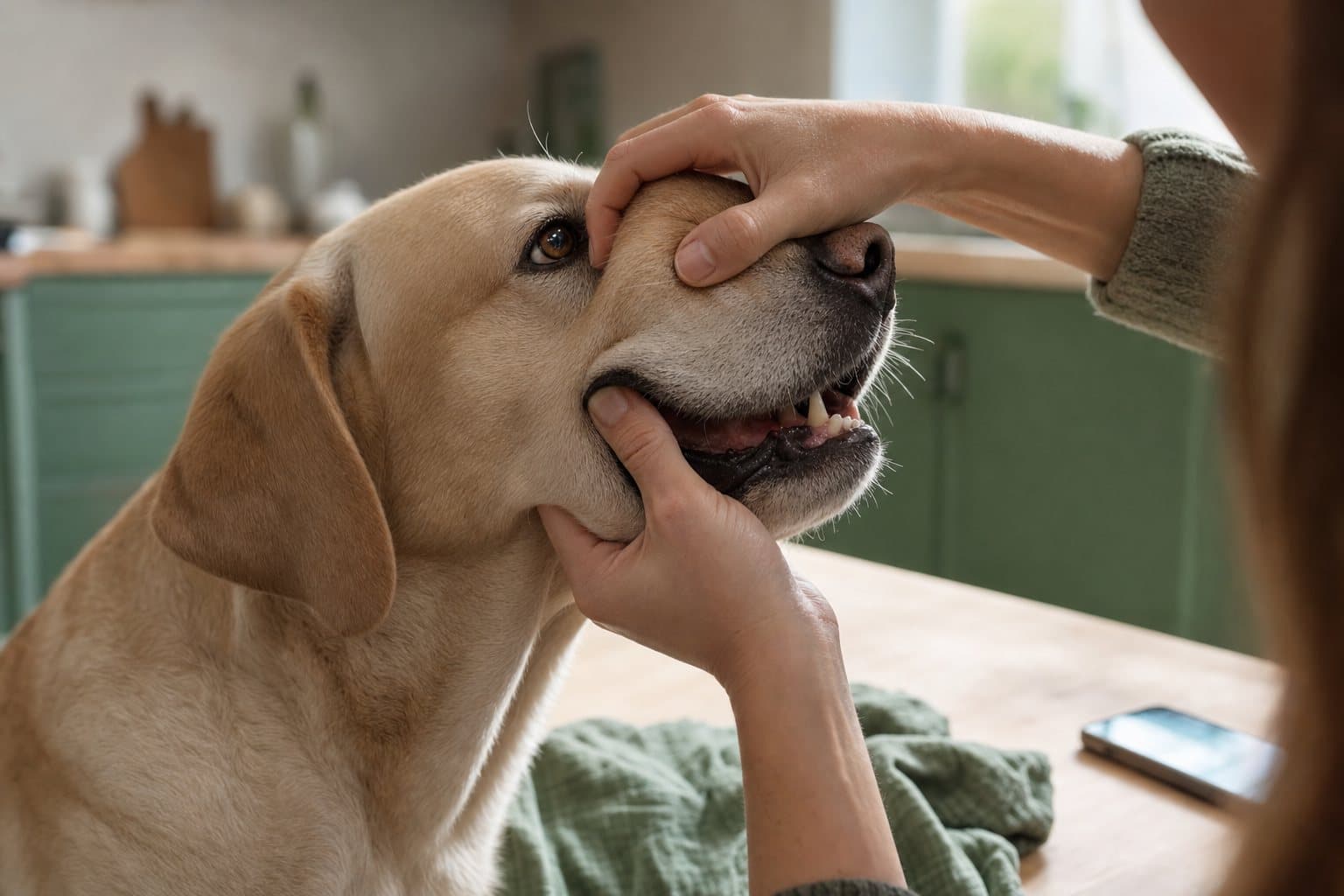
Leptospirosis is a disease caused by bacteria of the genus Leptospira, which are fairly widespread in the environment. In wetland areas – ponds, puddles, marshy ground – they're able to multiply, though fortunately they're quite sensitive to drying out and to commonly used disinfectants. Many mammal species can become infected with Leptospira, including humans, which makes this disease what's known as a zoonosis – an illness transmitted between animals and people. That's precisely why leptospirosis deserves special attention, not just as a health issue for the dog, but as a potential risk to the whole family. In this article we explain where leptospirosis comes from, how infection occurs, which symptoms should concern an owner, what diagnosis and treatment look like, and – importantly – how to effectively prevent this disease through vaccination and sensible habits.
What Is Leptospirosis and Where Does It Come From
Bacteria of the Genus Leptospira
Leptospires are bacteria with a distinctive spiral shape, belonging to the group known as spirochetes. Many different variants (serovars) of these bacteria exist in nature, and individual serovars tend to be associated, to varying degrees, with different animal species acting as their main reservoir. Serovars described in the veterinary literature as significant for dogs include Canicola (traditionally associated with dogs themselves as the main reservoir), Icterohaemorrhagiae (associated chiefly with rats), as well as Grippotyphosa, Pomona, Australis, and Bratislava, which tend to be carried by various wild and farm animal species. This diversity of serovars has practical significance – it partly explains why recovering from leptospirosis, or being vaccinated against one serovar, doesn't always fully protect against infection with another. These bacteria thrive in warm, moist environments – standing water, the muddy bottom of ponds, waterlogged meadows, or flooded fields are conditions in which they can survive for a relatively long time, even several weeks. On the other hand, they're sensitive to drying out, UV radiation, and standard disinfectants, which has practical relevance when cleaning and disinfecting areas where a sick dog has been.
Leptospirosis as a Zoonosis – A Risk to People Too
The fact that leptospirosis is a zoonosis means that the microorganism causing the disease in a dog can, under certain circumstances, infect a person too, most often through contact with the sick animal's urine, contaminated water, or soil. For this reason, if we suspect or diagnose leptospirosis in our dog, it's worth taking care when cleaning up its urine or vomit – wearing gloves, washing hands thoroughly, and disinfecting any surfaces the dog has been in contact with using an available disinfectant. These are simple precautions, but they genuinely reduce the risk of the infection being passed on to household members.
Who Is Most at Risk
Dogs at Higher Risk
It's especially worth considering vaccination for a dog that hunts or has frequent contact with the natural environment – bodies of water, farms where livestock is kept, marshes, forests, and places where rodents or rats are present. These are precisely the circumstances most often linked to contact with contaminated water, soil, or the urine of animals carrying the bacteria. Dogs living in large cities, rarely using natural bodies of water or rural areas, are at somewhat lower risk, although contact with a contaminated environment can't be ruled out in urban settings either, especially in parks with ponds or near rivers.
A Wave of Cases Linked to the War in Ukraine
Until recently, before the war in Ukraine broke out, a regulation there required mandatory leptospirosis vaccination for dogs travelling out of the country. This stemmed from the local epizootic situation, meaning a heightened risk of the disease occurring among animals in that area. When the war broke out, large numbers of animals crossed the Polish border together with their owners fleeing the conflict, and this was probably linked to the wave of leptospirosis cases in dogs that we later observed in Poland. It's a good example of how the epidemiological situation in one region can affect risk in a completely different place, and why it's worth taking protective vaccination seriously, even if leptospirosis hasn't so far been a common topic in your own area.
When the Risk of Infection Is Greatest
Season and Weather Conditions
The risk of contact with Leptospira usually rises during the warmer, more humid months of the year, when there's more standing water in the environment – after heavy rainfall, during snowmelt, or with local flooding. Under these conditions, the bacteria multiply more easily and survive longer in puddles, ditches, and waterlogged patches of parks and woodland. This doesn't mean the risk drops to zero in winter, though – it's worth staying alert throughout the year, especially in more humid regions.
Situations That Particularly Favour Infection
Beyond the season, a dog's lifestyle and the specific situations it finds itself in also affect infection risk. Higher risk is linked, among other things, to frequent walks and swimming in natural bodies of water, hunting and roaming wetland areas, time spent in the countryside or on a farm, contact with cattle or other livestock, the presence of rodents around the house or garden, and stays at a boarding kennel, shelter, or other place where many dogs of unknown health history are present at once. Being aware of these factors helps both with prevention and with more quickly linking worrying symptoms to possible leptospirosis.
How Infection Occurs
Routes of Entry into the Body
Bacteria can enter a dog's body in several different ways: through the mucous membrane of the mouth, for example with food or water contaminated with leptospires, through the nasal mucosa while sniffing the ground, via semen during mating, and through damaged skin if there's been contact with contaminated water or soil. This variety of entry routes means that practically any contact with a contaminated environment – drinking from a puddle, sniffing wet grass, swimming in a questionable body of water – carries some degree of risk.
What Happens in the Body After Infection
Once inside the body, Leptospira travels through the bloodstream to various internal organs. It can be detected in the blood for around 10 days after infection, which has practical relevance when planning certain diagnostic tests. The symptoms that develop depend mainly on which organ is most severely affected, and their severity depends on several factors at once: the number of bacteria that entered the body, the virulence of the particular strain, and the general immune resistance of the infected animal.
Two Stages of Infection
In simplified terms, the course of infection can be divided into two consecutive stages. In the first, early stage, bacteria circulate in the blood and spread to individual organs – this is when the most general symptoms appear, such as weakness, fever, or loss of appetite, and when blood tests have the best chance of detecting the bacteria's presence. In the second stage, Leptospira settles mainly in the kidneys, where it can survive much longer, and begins to be shed in the urine – sometimes continuously, and sometimes, as already mentioned, only intermittently. This second stage explains why a dog that appears to be recovering can still be a source of infection for its surroundings, including other animals and people, if it isn't treated for long enough and consistently. It's worth adding that the bacteria can usually be detected in the blood for around 10 days after infection, which has direct practical relevance when planning PCR tests – if performed too late, they may give a false negative result despite an infection genuinely being underway.
Symptoms of Leptospirosis in Dogs
Liver-Related Symptoms
When the liver is affected, it becomes inflamed, and in more severe cases the liver lobes can even rupture. Liver involvement may be accompanied by polydipsia (increased thirst and water intake), polyuria (increased urine output), abdominal pain, vomiting, and jaundice.
Blood Clotting Disorders
The liver produces numerous blood clotting factors, so its dysfunction during leptospirosis often leads to disorders of haemostasis. In practice, this can show up as bleeding from the nose and mouth, as well as blood appearing in the urine and stool. Symptoms like these should always be taken seriously and discussed with a vet as soon as possible.
Pulmonary Haemorrhage Syndrome (LPHS)
A distinctive, particularly dangerous form of the disease is so-called LPHS, leptospirosis pulmonary haemorrhage syndrome. In this form, the pulmonary alveoli fill with blood, which prevents normal gas exchange in the lungs. This form of the disease is highly fatal – according to available data, mortality reaches around 70% of cases.
Pulmonary haemorrhage syndrome (LPHS) is one of the most dangerous forms of leptospirosis in dogs, sometimes developing very rapidly. If a dog suspected of having leptospirosis suddenly develops laboured breathing, coughing up blood, or obvious difficulty breathing, this is an emergency requiring immediate veterinary attention, without delaying even by a few hours.
Kidney-Related Symptoms
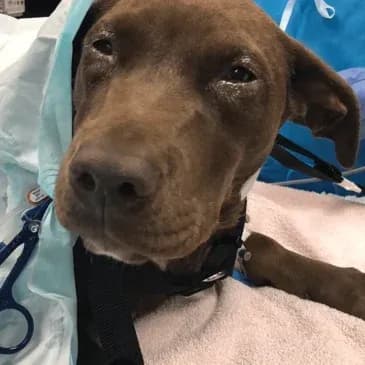
When bacteria colonise the kidneys, they become damaged and inflamed, and in more serious cases, kidney failure develops. As with liver involvement, polydipsia and polyuria may appear, which over time – as kidney damage progresses – can shift into oliguria (a marked reduction in urine output) or anuria (a complete absence of urine production). Vomiting, pain around the kidneys, blood in the urine, and pus in the urine may also occur. When Leptospira colonises the renal tubules, the bacteria may appear in the urine intermittently, which – as we'll describe later – has diagnostic significance.
Muscular and Cardiac Symptoms
Some bacterial strains can attack the skeletal muscles, causing symptoms such as muscle soreness or a stiff, cautious gait. In some cases, the heart muscle is affected too, which can further worsen the patient's overall condition and complicate treatment.
Neurological Symptoms
If bacteria are present in the nervous system, a variety of neurological symptoms can appear. Their character depends on which part of the nervous system is affected, which is why the clinical picture in these cases can be quite varied and isn't always immediately linked to leptospirosis.
Miscarriage in Pregnant Females
If a pregnant female becomes infected, the result can be miscarriage. This is another reason why breeding females, especially those with contact with the natural environment, are worth including in a targeted prevention plan, including considering vaccination before a planned pregnancy, after consulting the treating vet.
Can a Dog Have the Infection Without Obvious Symptoms
Not every infected dog looks obviously ill. Some animals go through the infection mildly or with very few symptoms, after which the bacteria settle for longer in the kidneys and are shed intermittently in the urine, even though the dog appears healthy from the outside. This kind of course is particularly relevant given the zoonotic nature of the disease – an apparently healthy dog can, in theory, still be a source of infection for its surroundings, which is another reason not to dismiss even minor, transient symptoms and to have them checked by a vet.
Why Leptospirosis Is So Hard to Recognise
Leptospirosis is a disease that's difficult to diagnose, because it's rare for a single patient to show all the symptoms that would allow a vet to clearly suspect this particular illness. Instead, the vet usually sees a fragment of the picture – for example, weakness, vomiting, and increased thirst – which could just as easily point to many other diseases of the liver, kidneys, or digestive tract.
Diseases That Can Be Mistaken for Leptospirosis
The clinical picture of leptospirosis can resemble many other, entirely unrelated conditions – including other causes of acute kidney injury, various forms of liver inflammation, poisoning, and even certain infectious diseases that present with fever and weakness. For this reason, when planning diagnostics for a dog with non-specific general symptoms, a vet usually considers leptospirosis as one of several possible causes rather than a single, obvious diagnosis – and it's only the results of further tests that narrow down the list.
Because the symptoms of leptospirosis are non-specific and can resemble many other conditions, a thorough history is crucial – information about whether the dog has had contact with bodies of water, farmland, marshes, or rodents can be just as valuable to the vet as the results of additional tests. It's worth mentioning such details during a visit, even if they seem unimportant.
Diagnosing Leptospirosis
Serological Testing (Antibody Titres)
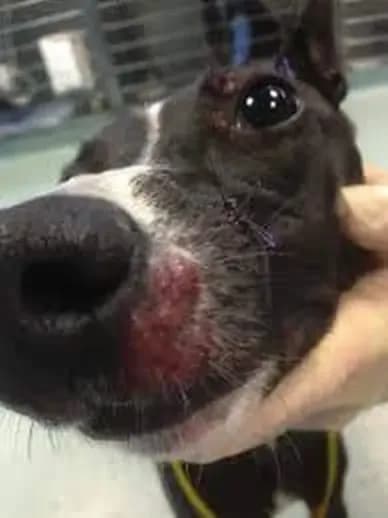
Since symptoms alone aren't enough for a diagnosis, diagnosing leptospirosis relies heavily on additional testing. One method involves measuring antibody levels in symptomatic animals about two weeks apart, then comparing the two results to see whether the titre is rising or staying at a similar level. In the case of an active infection, or recent vaccination, the second reading will usually be higher than the first.
Detecting Bacterial DNA (PCR)
Another diagnostic method is testing for the genetic material (DNA) of Leptospira, for example in the blood – usually possible up to around day 10 after infection – or in the urine. Because the bacteria's presence in the urine is intermittent, a negative result on this kind of test doesn't always rule out infection – it can be a false negative if the bacteria simply weren't being shed in the urine at the moment the sample was taken. That's why vets often combine different diagnostic methods rather than relying on a single result.
Other Supporting Tests
Besides serological testing and the search for bacterial DNA, when leptospirosis is suspected, vets usually also run standard blood tests assessing liver and kidney function, a general urinalysis, and, depending on the clinical picture, imaging of the abdomen or chest. This makes it possible to assess which organs have been affected and how advanced the disease process is, which has a direct bearing on treatment choices and prognosis.
Why Bacterial Culture Is Rarely Used in Practice
In theory, it's also possible to culture Leptospira from a blood or urine sample under laboratory conditions. In everyday clinical practice, though, this method is rarely used, because these bacteria grow very slowly, and culture results often aren't available until well after the point where they could inform treatment decisions. In practice, then, vets rely mainly on a combination of serological testing, molecular (PCR) testing, and the patient's full clinical picture.
Treating Leptospirosis
Antibiotic Therapy
Treating leptospirosis relies chiefly on antibiotics chosen by the vet according to the stage of the disease – in veterinary clinical practice, different classes of antibiotics are used for this purpose, depending on whether the priority is limiting the bacteria's multiplication in the blood or eliminating them from the kidneys over the longer term. In the acute phase of the disease, while bacteria are still circulating in the blood, the vet may reach for one class of drug, while in the next phase of treatment, aimed at eliminating bacteria that have settled in the kidneys and ending their shedding in the urine, a different antibiotic that penetrates kidney tissue better is usually used instead. The choice of specific drug, dosage, and length of therapy is always decided individually by the treating vet, taking into account the patient's condition, follow-up test results, and any complications – which is why treatment should never be stopped or adjusted without veterinary guidance, even if the dog seems to be feeling noticeably better after just a few days.
Symptomatic and Supportive Care
Alongside antibiotic therapy, symptomatic treatment tailored to the organs affected is extremely important. In practice, this can include fluid therapy to support kidney function, protective medication for the liver and digestive tract, anti-nausea treatment, and, in more severe cases, hospitalisation and intensive monitoring of the patient. The amount of support needed depends on how advanced the disease is at the time of diagnosis.
Monitoring During and After Treatment
Patients with diagnosed or suspected leptospirosis, especially those with kidney or liver symptoms, usually need repeated blood tests during hospitalisation, to continuously assess whether the function of these organs is improving or whether it's deteriorating in a way that requires a change in treatment strategy. After antibiotic therapy ends, the vet may also recommend a follow-up urine test, to confirm that the bacteria are no longer being shed and that the dog is no longer a source of infection for its surroundings. The length of treatment and the scope of follow-up are always set individually, so it's worth sticking carefully to the recommendations even if the dog's condition has clearly improved.
Prognosis
Prognosis in leptospirosis varies a great deal and depends on which organs were affected, how quickly treatment was started, and the dog's overall health. Forms with predominant liver or kidney involvement, recognised and treated early enough, generally carry a much better prognosis than the pulmonary form (LPHS), which, as mentioned, carries a very high mortality rate. That's why it's so important not to delay seeing a vet at the first worrying symptoms. The length of treatment itself depends on the severity of the disease, the organs affected, and how the patient responds to therapy, and is always determined individually – full recovery, especially after a more severe course involving the liver or kidneys, may require a longer convalescence and follow-up visits well after medication has ended.
Preventing Leptospirosis
Vaccination
When it comes to preventing leptospirosis, vaccination appears to be the single most important element of prevention. The primary course is usually given twice, 3–4 weeks apart, and then repeated every year to maintain an adequate level of protection. At present, the leptospirosis vaccine isn't yet treated as a core vaccine, but it's increasingly and more widely recommended by vets, especially for dogs at higher risk of contact with the natural environment. It's worth stressing that today's vaccines are far safer than they were even a decade or so ago, and we practically never see serious adverse reactions after they're given.
Rodent Control and Environmental Hygiene
Since the biggest reservoir of the bacteria in the environment is rodents, which shed it in their urine, rodent-control efforts also have real preventive value, especially on farms, in cellars, or near outbuildings. Reducing rodent numbers indirectly reduces the risk of water and soil contamination around a dog too.
Everyday Habits That Reduce Risk
Beyond vaccination and rodent control, infection risk can also be reduced through a few simple, everyday habits:
- avoiding drinking water from standing bodies of water, puddles, and ditches during walks, encouraging your dog to drink fresh water brought from home whenever possible,
- avoiding swimming in murky, questionable bodies of water of unknown origin,
- protecting your dog's food and water from access by rodents, especially if you live close to farmland or have a garden,
- washing bowls thoroughly and changing the water regularly,
- being cautious on walks in areas known for a higher rodent population, for example near landfills or neglected green spaces.
None of these habits replace vaccination as the main element of prevention, but combined with it, they genuinely reduce overall exposure to the bacteria.
Protecting Household Members from Infection
Since leptospirosis is a zoonosis, it's worth thinking not only about protecting the dog, but also about the safety of the whole family. If leptospirosis is suspected or diagnosed in a dog, good habits include limiting direct contact with its urine, wearing disposable gloves while cleaning up, washing hands thoroughly after any contact, and disinfecting surfaces where the dog may have left urine. Children, older people, and those with weakened immune systems should be especially careful.
If anyone in the household develops worrying symptoms after contact with a sick dog or exposure to potentially contaminated water – such as fever, chills, muscle aches, or marked weakness – it's worth seeing a doctor as soon as possible and mentioning the possible contact with an animal suffering from leptospirosis.
Frequently Asked Questions
Is leptospirosis dangerous for people?
Yes. Leptospirosis is a zoonosis, meaning the microorganism that causes the disease in dogs can, under certain circumstances, infect people too, usually through contact with a sick animal's urine or contaminated water. That's why it's worth taking basic precautions when cleaning up after and handling a dog suspected of having leptospirosis.
Should every dog be vaccinated against leptospirosis?
The decision to vaccinate is best made together with a vet, taking the dog's lifestyle into account. Vaccination is especially recommended for hunting dogs and those with frequent contact with bodies of water, farmland, marshes, forests, or environments where rodents are present. Even for city dogs, though, it's worth considering vaccination, especially if they often spend time in parks with ponds or near rivers.
Can a dog catch leptospirosis from another dog?
Infection most often occurs through contact with a contaminated environment – water, soil, or the urine of carrier animals, including rodents. Direct infection from another dog is possible if there's contact with its urine, saliva, or other bodily fluids containing the bacteria, so it makes sense to be careful around sick animals.
Does vaccination provide 100% protection?
No vaccine offers an absolute, 100% guarantee of protection, because there are many different serovars of Leptospira, and available vaccines cover only some of them. Even so, vaccination remains the most effective prevention tool available and significantly reduces the risk of a severe course of disease, which is why it's worth combining it with reducing contact with high-risk environments.
What should I do if I suspect my dog has leptospirosis?
The best course of action is to see a vet as quickly as possible, describing all the symptoms you've observed and mentioning any contact your dog may have had with bodies of water, farmland, or rodents. Because of the disease's zoonotic nature, it's also worth taking care when cleaning up after your dog until the diagnosis has been ruled out or confirmed.
Can cats get leptospirosis too?
Cats can become infected with Leptospira, but clinical signs of the disease are observed in them considerably less often than in dogs. Even so, the topic isn't entirely irrelevant for cat owners, especially of cats that roam freely and have contact with rodents or natural bodies of water – if in any doubt, it's worth discussing this with the cat's vet.
Is leptospirosis a seasonal disease?
Infections can occur throughout the year, but the risk clearly rises during warmer, more humid months and after heavy rainfall, when the environment has more standing water that favours bacterial growth. It's worth keeping this in mind when planning vaccination and staying particularly alert during spring, summer, and autumn, though vigilance shouldn't drop completely in winter either.
Leptospirosis is a sneaky disease – it can progress silently, produce non-specific symptoms, and mimic many other conditions, while in its most severe form it develops rapidly and becomes life-threatening, both for the dog and, given its zoonotic nature, potentially for the people around it. At the same time, it's one of the few infectious diseases in dogs that we can protect against effectively, through regular vaccination, sensibly limiting contact with risky environments, and simple vigilance towards even minor early symptoms, such as slightly increased thirst or brief weakness. It's also worth remembering that the earlier the disease is recognised and the earlier appropriate treatment begins, the better the prognosis tends to be, regardless of which organ was affected most severely. If your dog has frequent contact with bodies of water, farmland, or wildlife, talk to us about a protective vaccination plan tailored to its lifestyle, and if any worrying symptoms appear – weakness, vomiting, jaundice, or increased thirst – don't delay a visit. At the Hau-Miau clinic at ul. Siemieńskiego 23 in Warsaw's Ochota district, we provide full diagnosis and treatment of infectious diseases in dogs, and we're happy to advise on an individually tailored vaccination plan. Book a visit — call +48 22 823 35 63.