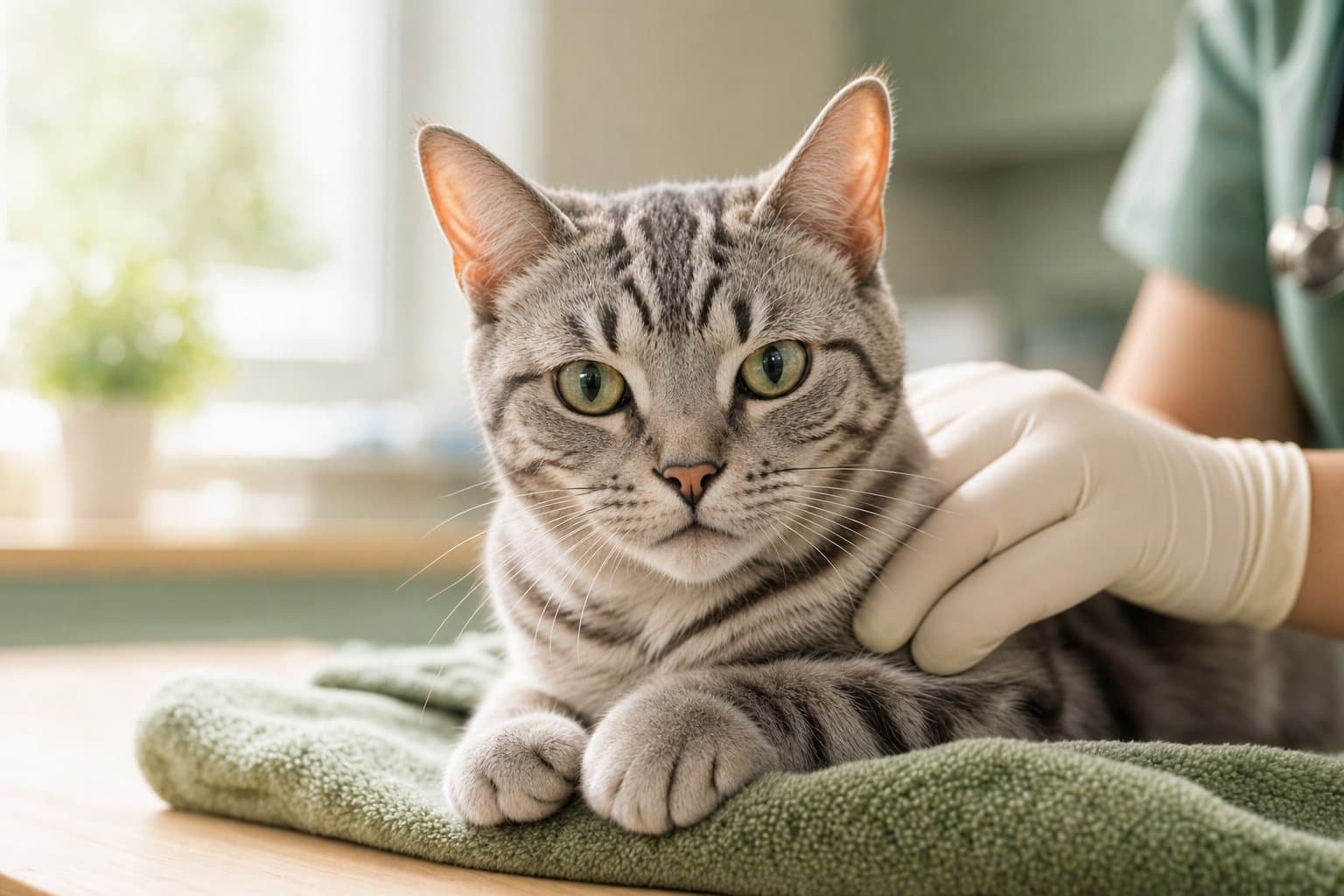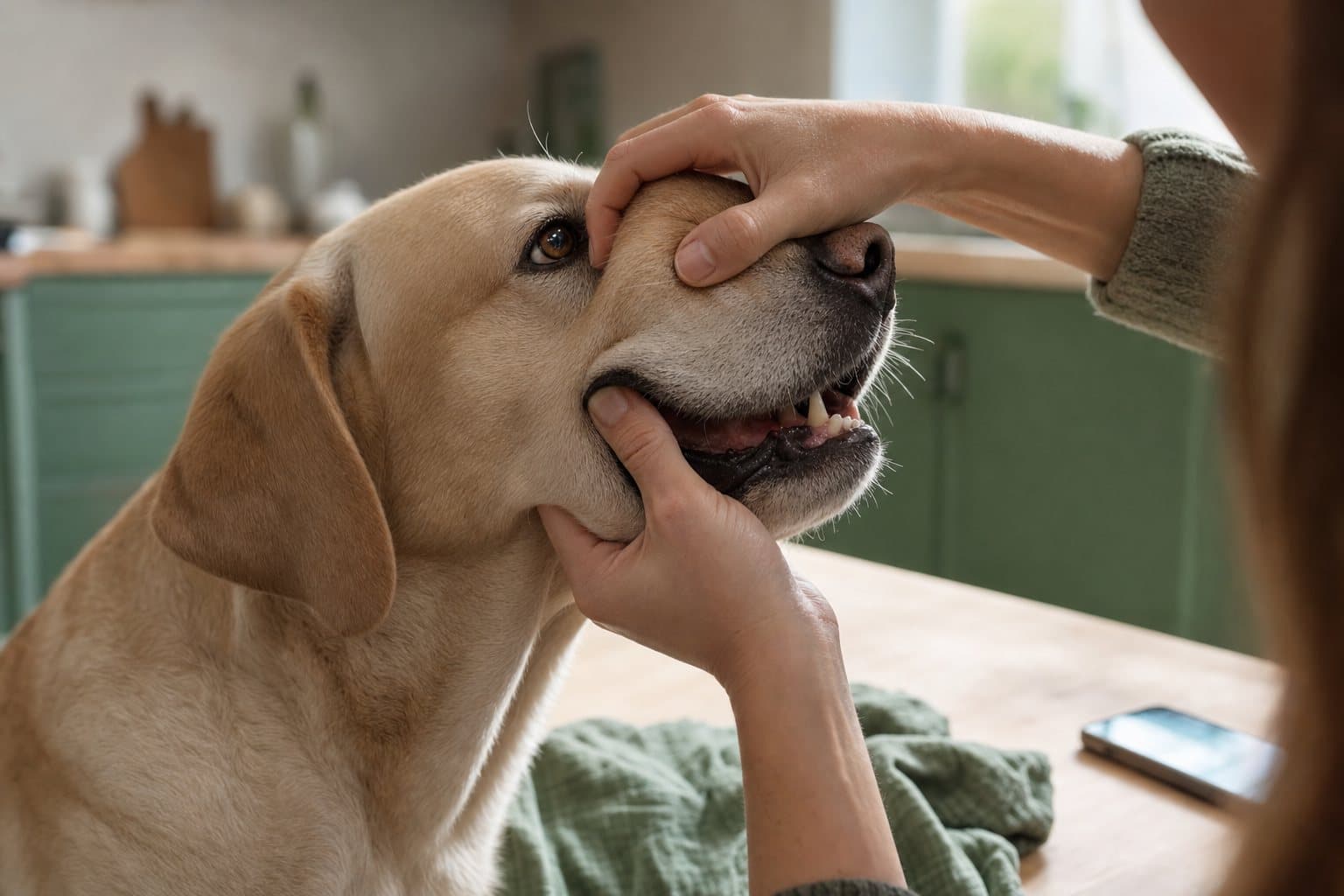
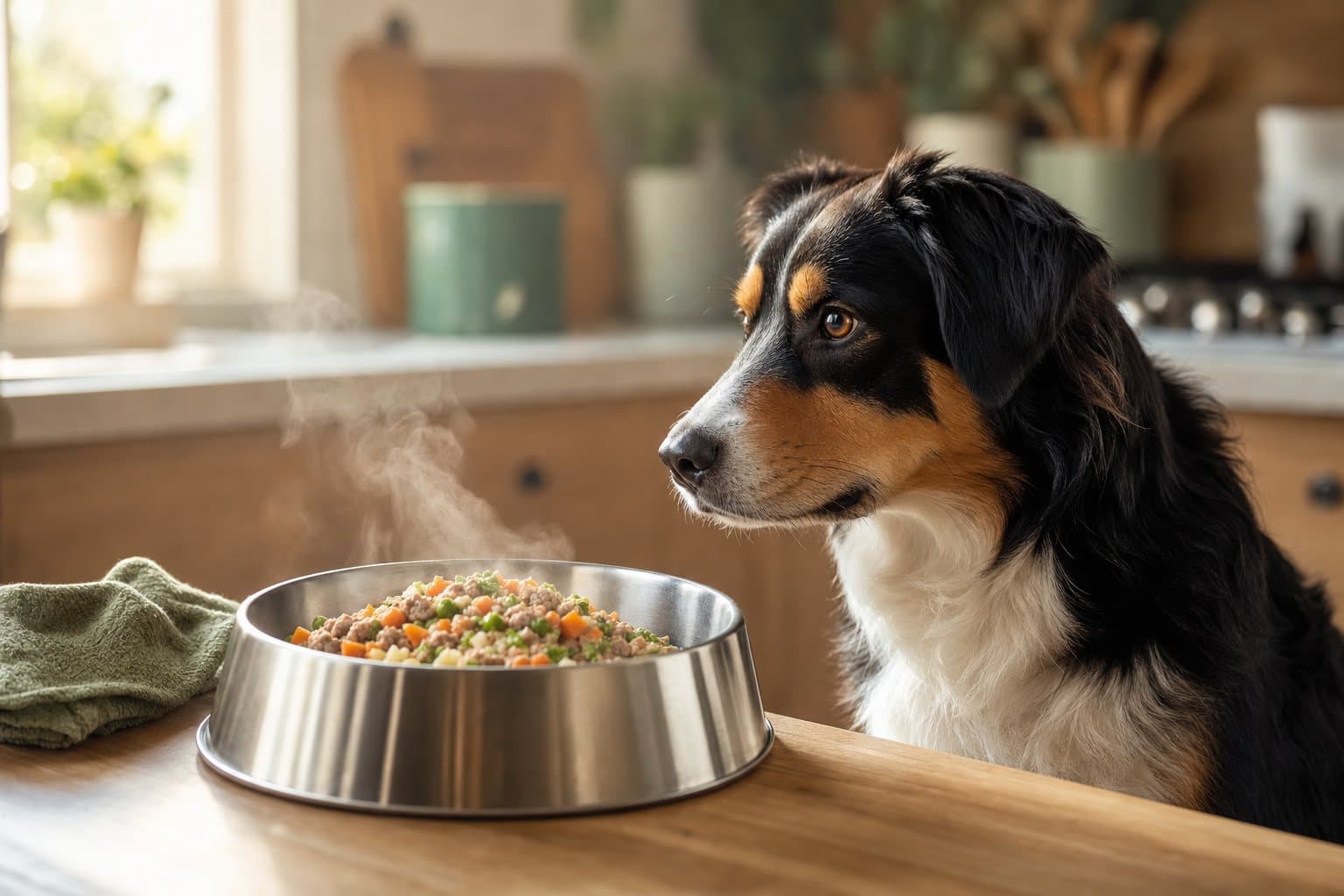
A lot of water had to pass under the bridge before conventional medicine rediscovered that Hippocrates was right! His principle – LET FOOD BE THY MEDICINE, AND MEDICINE BE THY FOOD – long mocked by mainstream science and medicine over recent centuries, is, after two thousand years, finally being appreciated by researchers again. Unfortunately, many frontline doctors still ignore it, preferring to reach for chemical medications that don't necessarily serve health all that well.
It all starts in the gut… Nowadays, the gut is called our second brain – the place where immunity is shaped and on which our mental state depends. Anxiety and low mood, to a large extent, find their roots right here. The gut barrier, formed by intestinal microorganisms, a protective mucus layer, the intestinal epithelium, and cells of the circulatory, lymphatic, immune, and nervous systems, is where the outside world comes into contact with the body. Besides absorbing nutrients, it performs many other functions too. The two-way communication between the gut and the brain is called the gut-brain axis. Its proper functioning is heavily influenced by the bacterial flora of the digestive tract, now known as the microbiota – an entire ecosystem of microorganisms living in the intestines, including those of our dogs and cats. When the microbiota is in balance and proper communication between the gut and the brain (the central nervous system) is maintained, we're dealing with eubiosis – in other words, gut homeostasis. When that communication is disrupted and the composition of the microbiota becomes imbalanced, the result is dysbiosis.
In this article, we want to look at the subject from two angles at once. On one hand – because it's been our starting point for years – as a story about just how much psychology, stress, and day-to-day life at home affect the gut health of dogs and cats. On the other, as a practical guide to diarrhoea and vomiting: where they come from, when they're a harmless one-off and when they're a warning sign, how to recognise dehydration, what the microbiome and probiotic support actually mean, and when you genuinely need to get to the vet, versus when a day of calm observation at home is enough.
When the Gut Sends a Signal: Diarrhoea and Vomiting as a Symptom, Not a Stand-Alone Illness
Diarrhoea and vomiting are among the most common reasons owners bring their dogs and cats to our clinic. For many people, it's a slightly embarrassing topic they'd rather not discuss in detail – which is a shame, because what's happening in a pet's gut says a great deal about its overall health. Neither diarrhoea nor vomiting is an illness in itself. Each is a symptom – a signal that something in the body needs attention. Sometimes that something is trivial: a cigarette butt picked up on a walk, too abrupt a change of food, a piece of sausage snatched from the holiday table. Sometimes it's a more serious signal: pancreatitis, a parasitic disease, a viral infection, or even a gastrointestinal tumour. It's the job of a thorough history and clinical examination to tell one from the other – and that's exactly the skill that determines whether an animal bounces back after a day of bland food, or needs hospitalisation and intensive treatment.
The Most Common Causes of Diarrhoea and Vomiting in Dogs and Cats
There are many possible causes of gastrointestinal upset, and in clinical practice they rarely come down to one simple explanation. Below we describe the groups of causes we see most often at our clinic.
Dietary Indiscretion and "Bin-Raiding"
The most common cause of acute diarrhoea and vomiting, especially in dogs, is so-called dietary indiscretion – eating something the animal really shouldn't. That can mean spoiled food from a bin, a fatty piece of meat from the holiday table, a bone, a piece of a toy, a sock, or even a stone or stick picked up on a walk. Dogs, unlike cats, are experts at finding and swallowing things they absolutely shouldn't eat, which is why dietary indiscretion and foreign bodies are part of everyday life for any small-animal vet. A too-abrupt change of food – even a change "for the better" – can also trigger a few days of looser stools, because the gut microbiota needs time to adjust to a new composition of food.
Infections – Viruses, Bacteria, and Parasites
Diarrhoea and vomiting can also be a symptom of infection. In puppies and kittens, viral diseases such as parvovirus in dogs or panleukopenia in cats are especially dangerous, which is why a full course of vaccinations, and keeping a young animal away from the outside world until it's complete, matters so much. On top of that, there are gastrointestinal parasites (roundworms, tapeworms, giardia, coccidia), which can cause recurrent, hard-to-control diarrhoea in young animals, along with bacteria that sometimes overgrow alongside other intestinal disturbances. That's why regular deworming and faecal parasite testing aren't just a formality – they're a genuine part of prevention.
Foreign Bodies and Poisoning
Swallowing an object that can't pass through the digestive tract can cause persistent vomiting, loss of appetite, and abdominal pain, and in extreme cases can lead to intestinal obstruction – a life-threatening condition requiring urgent surgery. Similarly, poisoning – from chocolate, onion and garlic, grapes and raisins, certain houseplants, medication intended for people, or rodenticides – very often shows up first as gastrointestinal symptoms.
Chronic and Systemic Disease
Recurrent or chronic diarrhoea can also be a symptom of conditions that, at first glance, have nothing to do with the gut at all: chronic kidney disease, liver failure, pancreatitis, an overactive thyroid in cats, Addison's disease, or inflammatory bowel disease. In these cases, gut-soothing remedies or a change of food alone won't be enough – working up the underlying disease, with a vet's guidance, is essential.
Stress and Emotions
There's one more group of causes that gets talked about far too little, yet plays a huge role in our practice: stress and emotions. We've given it its own, extensive section later in this article, because in our view it's the most underrated and under-diagnosed element of gastrointestinal problems in dogs.
Acute vs. Chronic Diarrhoea – Why the Distinction Matters
In veterinary medicine, we distinguish acute diarrhoea – usually lasting up to a few days and appearing suddenly – from chronic diarrhoea, which persists for more than two to three weeks, or which recurs in cycles. This distinction matters a great deal in practice. Acute diarrhoea, especially in an adult, fully vaccinated animal with no other worrying symptoms, very often runs a mild course and resolves on its own, or after a brief dietary intervention. Chronic diarrhoea is an entirely different story – it always calls for in-depth diagnostics, because it can be a symptom of a disease that, left untreated, will gradually progress: inflammatory bowel disease, food intolerance or allergy, exocrine pancreatic insufficiency, parasites, and sometimes a gastrointestinal tumour. The rule we follow at our clinic is simple: a single episode of looser stool in an animal that otherwise seems well can be watched at home for a day or two. But diarrhoea that recurs, lasts longer than a few days, or comes with weight loss or a poorer appetite, is always a reason for a visit – not for yet another food change tried "on your own."
Vomiting in Dogs and Cats – When It's More Than "They Ate Something Bad"
Vomiting is often confused with regurgitation or retching, so the first step in talking to your vet is describing precisely what you actually observed: is the animal bringing up undigested food shortly after eating, is there foamy, bile-stained vomit brought up on an empty stomach, or is there blood in the vomit – either bright red or in the form of a dark, coffee-ground-like sediment? A single vomiting episode, after which the dog or cat returns to normal activity, appetite, and mood, usually isn't cause for panic. The picture looks very different when vomiting repeats, when the animal can't even keep water down, when it's accompanied by lethargy, obvious abdominal pain (the characteristic "praying position," front legs lowered and the hindquarters raised, common in dogs with abdominal pain), fever, or visible bloating. Bloating combined with unproductive attempts to vomit in a large dog, especially a deep-chested breed, is a picture that should always make us think of gastric torsion – a directly life-threatening condition. In cats, on the other hand, persistent, chronic vomiting can be a symptom of conditions that are easy to miss: an overactive thyroid, chronic kidney disease, or inflammatory bowel disease.
Sudden, severe abdominal bloating combined with an animal that's drooling and restless, repeatedly retching with no result – in a large dog, this picture must raise suspicion of gastric torsion. This is a directly life-threatening emergency requiring immediate veterinary help, ideally within the hour, not "wait and see until morning."
Dehydration – the Most Insidious Consequence of Diarrhoea and Vomiting
Both diarrhoea and vomiting lead to a loss of water and electrolytes, and it's dehydration, rather than how often an animal is going, that most often decides whether it needs hospital care. Recognising dehydration at home isn't difficult, once you know what to look for:
- Skin tent test – gently lift the skin over the animal's scruff and let go. In a properly hydrated dog or cat, the skin springs back into place almost instantly. If the fold is slow to spring back, or barely does at all, that's a sign of dehydration.
- Gums and mouth – these should be pink and moist. Pale, tacky, or dry gums are another warning sign.
- Sunken eyes – in more advanced dehydration, the eyes may look slightly sunken in their sockets.
- General weakness and lethargy – a dehydrated animal often just looks "switched off," less interested in its surroundings.
- Reduced urine output – fewer trips to the litter box, or less urine produced on walks.
Puppies, kittens, older animals, and those with chronic disease (of the kidneys or heart, for instance) become dehydrated far faster than a healthy adult animal, so the threshold for concern should be set lower for them. In a very young puppy or kitten, dehydration during a bout of diarrhoea and vomiting can develop within a matter of hours and quickly become life-threatening. That's why, in this age group, we always recommend a faster response and a lower threshold for deciding to come in, even if a single episode looks harmless on the surface.
Home Care or a Vet Visit? How to Judge the Situation
When It's Usually Safe to Watch and Wait at Home
- An adult animal, generally healthy and fully vaccinated.
- A single episode of loose stool, or a one-off bout of vomiting.
- The animal still has an appetite (even if somewhat reduced), is drinking, and is active.
- No blood in the stool or vomit.
- No fever, lethargy, or abdominal pain.
In that situation, a sensible first response is a short break from food, lasting some twelve to twenty-four hours – in a healthy adult dog only; never in a puppy, kitten, an animal with chronic disease, or a cat, where prolonged fasting carries a real risk of serious liver complications – free access to fresh water offered in small amounts, and watching to see whether things improve within a day. If they do, a few days of a bland, easily digestible diet is usually enough before returning to normal feeding. If they don't, that's the signal not to wait any longer.
Red Flags – When to Go to the Vet Without Delay
- blood in the stool (fresh red, or dark and tarry) or in the vomit,
- persistent, repeated vomiting, especially an inability to keep water down,
- marked lethargy, weakness, or unresponsiveness,
- fever,
- clear abdominal pain (a tense belly, the "praying position," whimpering when touched),
- visible dehydration, as described above,
- diarrhoea or vomiting in a puppy or kitten, especially one not yet fully vaccinated,
- suspicion of swallowing a foreign object, poison, chocolate, or medication,
- sudden, severe abdominal bloating,
- symptoms persisting for more than a day or two despite simple home measures,
- recurring episodes of diarrhoea or vomiting over the past few weeks.
If you're unsure whether a symptom already counts as a "red flag," call the clinic and describe the situation. A short phone conversation with a team that knows this territory is always a better option than searching for answers online at three in the morning.
The Gut Microbiome – An Ally That's Easy to Forget
The gut microbiota isn't just "the good bacteria that help with digestion," as it's often thought of. It's a complex ecosystem that helps digest dietary fibre, produces certain vitamins, competes with potentially disease-causing microorganisms for space and nutrients, and also communicates with the host's immune and nervous systems through the gut-brain axis mentioned above. When the balance of the microbiota, known as eubiosis, is disrupted – for example after a course of antibiotics, after an acute intestinal infection, after a sudden change of food, or in the course of chronic stress – we call that dysbiosis. Dysbiosis on its own can keep diarrhoea going, even once the original cause has already been dealt with.
That's why responsible supplementation with probiotics (live bacterial cultures that support the microbiota) and prebiotics (the fibre that feeds them) matters so much, particularly in three situations: during and after a course of antibiotics, in older animals, whose digestive function naturally weakens with age, and during recovery after an acute gastrointestinal episode. It's worth stressing, though, that not every "probiotic" product on the market has proven effectiveness in dogs and cats, and probiotics made for people aren't always suitable for animals. It's best to ask your vet which specific product to use and how to give it, choosing one licensed for veterinary use.
The Role of Stress and Emotions – What Nobody Talks About
Stress, Anxiety, and "Madness" at Home
Stress or anxiety, or the two combined, can cause serious disruption to digestive function – and that's not just a nice turn of phrase. Pre-exam runs? Anyone experienced that? Isn't there a saying that fear can scare the daylights out of you? We have canine patients who can develop bloody diarrhoea the exact moment their owners start packing suitcases for a trip. Among withdrawn, fearful dogs, or dogs that get stressed – even while putting on a brave "let's go" face – we see a much greater tendency toward digestive problems than in easy-going, relaxed dogs. This isn't about courage, but about the ability to manage emotions, accept changing conditions, and adapt to shifting situations in a stress-free way that could even be called a healthy knack for "not sweating the small stuff." Some call this self-control, though that term doesn't quite capture it, since self-control isn't always free of tension – in fact, it's often closely tied to it.
Animals and people don't differ much in this respect. When they live under one roof and communicate in different "languages," misunderstandings are all but guaranteed. In other words, our behaviour as humans has a huge effect on the emotional state of our dogs and cats, and as a result, all too often, on the state of their gut and stomach. For many years, we've watched how much the role of four-legged companions in the human environment has changed – and these haven't all been changes for the better. Dogs increasingly stop being treated like dogs, and start being treated like children or toys instead. This shows up clearly in breeds that are very fashionable today, such as Cavaliers and Labradors – they're plagued not just by behavioural problems, but by stomach ulcers and chronic diarrhoea with causes that are hard to pin down, even with a fully holistic approach that treats the patient as a whole organism. Of course, a full course of medical diagnostics, ideally with your trusted vet, is always essential, and usually takes quite a while. Often, even after identifying the underlying triggers and settling on a diet and supplementation plan, diarrhoea episodes still crop up. Interestingly, when the conditions the animal lives in change, or the people it spends its days with change, the diarrhoea quite often stops on its own.
That's why, first of all, we want to draw your attention to a few things that don't usually get talked about, and that we rarely stop to consider.
-
When a puppy arrives in your home, give it your time and focus on its upbringing. If it was used to a crate at the breeder's, consider getting one – for a dog already comfortable with it, a crate becomes a safe haven, a place of shelter and rest. But if it never had any contact with one, ask someone more experienced whether it's worth introducing. We often don't realise how much easier this kind of "safe space" makes life for the whole family. Watching a puppy's behaviour closely really matters – treating it like a toy that does funny little things is simply inexcusable.

-
If your puppy has normal stools and a good appetite in the first few days, resist the urge to switch its food to something else. Don't ask on forums, "which food do you recommend, because I need to switch my puppy to something different" – that kind of change very often ends in full-blown diarrhoea. A young puppy's immune system is still immature, and instead of finishing its course of vaccinations, you'll end up treating it for an upset stomach instead. And a puppy without a full course of vaccinations is then stuck at home, unable to socialise properly during a critical stage of development.
-
Take proper care of your dog's or cat's diet. We won't hide the fact that we're happy to recommend natural feeding at our clinic, still a controversial choice among some vets. But don't insist that whatever's most convenient for you must also be what serves your pet best – often it's exactly your own convenience that serves its health worst. We know dogs that react badly to a raw diet, and others that simply don't do well on dry kibble. It's worth remembering that dogs got along perfectly well long before the era of dry kibble.
-
Make sure your pet gets proper prebiotic and probiotic supplementation. Make sure that any animal on a course of antibiotics is given a probiotic right from the start. This kind of supplementation is also strongly recommended for older dogs, since digestive problems often appear with age – a senior dog's diet is worth discussing with an animal nutritionist, and if chronic conditions are involved as well, a nutrition consultation directly with a vet is advisable.
-
Watch your dog. Have you managed to spot any link between its digestive problems and your own emotional state, or events going on around you? Maybe you're giving it too much attention, hovering while it eats, or fussing over its every move? Does your dog follow you step by step, into the bathroom, into the kitchen? Can it sleep stretched out on its side while you potter around the house, or does it stay alert, watching your every move instead? It's worth reading up on how dogs communicate with each other when they're on their own, and taking a closer look at their real needs. Think about how many hours a day your dog actually sleeps – and whether, perhaps, it's having to satisfy your own ambitions or whims, which in the age of social media can get a little out of hand. Or maybe it's the opposite, and it's simply bored out of its mind?
This is exactly where the groundwork gets laid for unidentified, chronic, stubbornly recurring (though obviously not all) "stress runs." We draw attention to this side of gastrointestinal problems mainly because it's massively underrated and under-diagnosed. That's hardly surprising, since really it concerns the people who build a home for the dog, more than the dog itself. Often, it's us who need to take a good look at ourselves and see things through our four-legged friend's eyes. Having pets is an enormous asset to us – thanks to them, we get the chance to learn a great deal about ourselves, to discover what assertiveness really means, to uncover our own limits, and to grow through understanding. That's a huge subject for working with a good behaviourist and trainer – meaning someone who likes and understands people, and who can get them to work on themselves for their pet's sake.
Diagnostics at the Vet's Office – What to Expect
When you bring us a dog or cat with diarrhoea or vomiting, the diagnostic process always starts with a detailed history: how long the symptoms have been going on, how often they occur, what the stool or vomit looks like, whether the diet or the animal's surroundings have changed, whether it had access to anything it shouldn't have, and whether it's fully dewormed and vaccinated. We then carry out a clinical examination, assessing hydration status, temperature, listening to the abdomen, and carefully palpating it to check for pain, palpable masses, or a build-up of gas.
Depending on the clinical picture, the next step may be a faecal test for parasites, blood tests – a complete blood count and biochemistry panel, assessing kidney, liver, and pancreatic function among other things – and, in some cases, an abdominal ultrasound, which lets us assess the structure of the intestines, the presence of foreign bodies or fluid in the abdomen, or changes in other organs. In animals with chronic or recurring symptoms, more advanced testing is sometimes needed, including endoscopy with tissue sampling for histopathology. We always tailor the scope of diagnostics to the individual case, based on the animal's age, the severity of symptoms, and what the history and clinical exam suggest.
Diet and Everyday Prevention – Supporting Gut Health
Many gastrointestinal problems can be avoided, or at least made milder, with a few simple habits:
- introduce food changes gradually, over five to seven days, mixing in a growing proportion of the new food with the old,
- avoid feeding from the table, especially fatty, heavily seasoned, or sugary food,
- keep your pet away from the bin, the compost heap, or discarded cigarette butts on walks,
- keep up with regular deworming as recommended by your vet,
- make sure there's constant access to fresh water,
- during periods of increased stress (moving house, visitors, fireworks, a change in who lives at home) watch your pet more closely than usual,
- don't dismiss the first, subtle signs – a slightly different stool consistency lasting several days in a row is worth noting, even if the animal still seems to be doing fine.
If your dog or cat has already had a few episodes like this, it's worth keeping a simple diary: what it ate, when the symptom appeared, how long it lasted. That kind of record is often an invaluable clue for us as vets during a consultation – it frequently reveals a pattern that the owner hasn't noticed day to day.
Frequently Asked Questions
Will fasting help a dog with diarrhoea?
A short break from food, lasting some twelve to twenty-four hours, can help an otherwise healthy adult dog with a single episode of mild diarrhoea, provided it still has free access to water. We don't use fasting in puppies, older animals, those with chronic illness, or in cats – in cats, prolonged fasting carries a real risk of serious liver complications. If in doubt, it's best to check with your vet before trying this on your own.
When is diarrhoea in a puppy dangerous?
It's almost always worth reacting faster than you would with an adult dog. A young, not-yet-fully-vaccinated body dehydrates very quickly, and diarrhoea can be the first sign of a serious viral infection. If vomiting, lethargy, loss of appetite, or fever appear alongside the diarrhoea, we recommend a same-day visit rather than "waiting until tomorrow."
Can I give my dog a human anti-diarrhoeal medicine from the pharmacy?
We strongly advise against giving animals medication meant for people on your own, including over-the-counter products. Some of these are simply toxic to dogs and cats, while others can mask symptoms and make later diagnosis harder. Always talk to a vet, ideally by phone, about any home treatment before reaching for anything from the medicine cabinet.
How long can "stress diarrhoea" last, and will it go away on its own?
It varies – in some animals it clears up within a few days once circumstances change (an owner returns, renovation work ends, things settle down at home), while in others it recurs in cycles for months. Before assuming the cause is "only" emotional, though, it's always worth ruling out physical causes first. Only once tests come back clear, and the symptoms clearly line up with stressful situations, does it make sense to focus on day-to-day routines and the relationship with the animal, ideally alongside an experienced behaviourist.
Does changing food always cause diarrhoea?
Not always, but a sudden, overnight switch significantly raises the risk of looser stools, because the gut microbiota needs time to adapt to a new composition of food. That's why we always recommend transitioning to new food gradually, spread over at least five to seven days.
What tests will the vet run for chronic, recurring diarrhoea?
It depends on the clinical picture, but it usually includes a faecal parasite test, blood work (a complete blood count and biochemistry panel), sometimes an abdominal ultrasound, and, in more stubborn cases, more specialised diagnostics such as endoscopy with tissue sampling. The goal is always to find the cause, not just to stop the symptom for a while.
Are probiotics made for people suitable for a dog or cat?
Not necessarily – the bacterial strains that work well in people don't always work in dogs or cats, and some products contain additives, such as sweeteners, that aren't suitable for animals. It's far safer to use products licensed and tested for veterinary use, ideally chosen together with your vet.
Diarrhoea and vomiting are symptoms that are easy to dismiss – and, at the same time, symptoms where careful observation and a quick response really do make a difference. Sometimes a day of bland food is all it takes, and the problem sorts itself out. Sometimes what looks like a trivial symptom is hiding something that calls for a full diagnostic work-up, support for the microbiome, and time to restore balance – both physical, and the emotional kind we wrote about earlier in this article. If your dog or cat is struggling with persistent, recurring diarrhoea, worrying vomiting, or you simply don't know whether a symptom is already a reason to come in, don't guess, and don't wait too long. At the Hau-Miau clinic at ul. Siemieńskiego 23 in Warsaw's Ochota district, we've spent years combining a thorough history, clinical examination, and full laboratory diagnostics with an individual approach to every patient – including the ones whose gut reacts to what's going on in their everyday life. Book a visit — call +48 22 823 35 63.