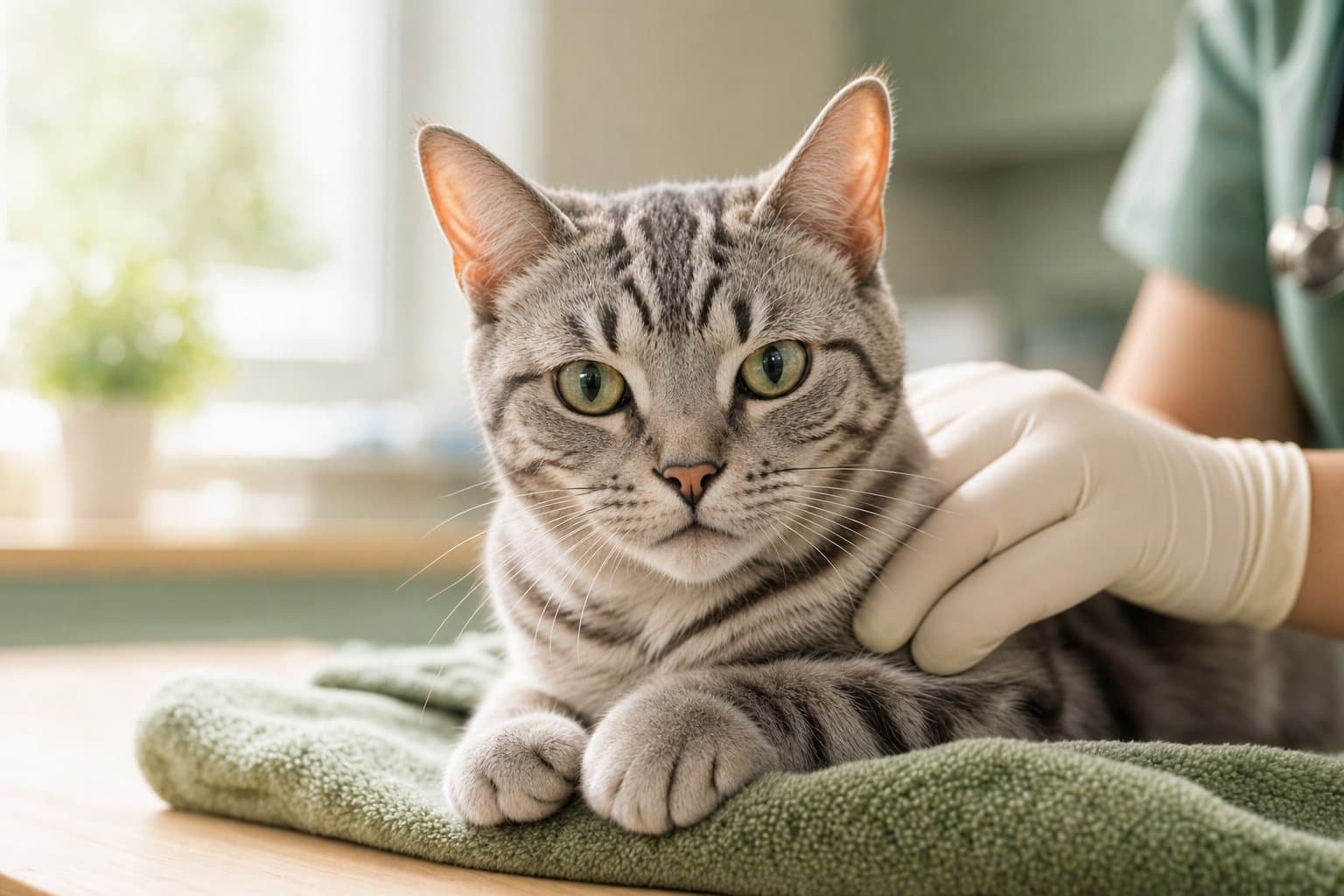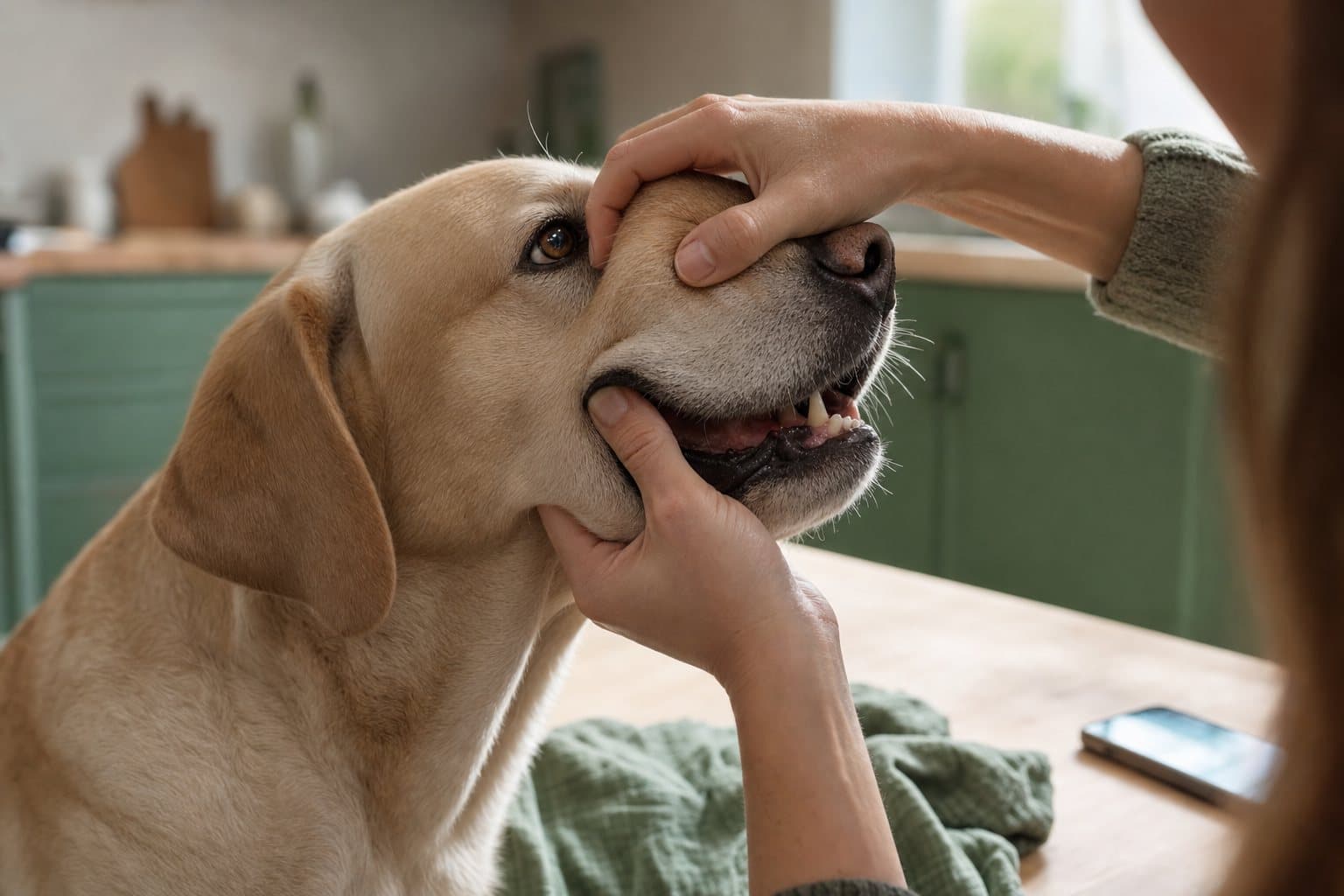
The day of a procedure can be just as stressful for an owner as it is for the animal itself – and good preparation, along with knowing what to expect, can genuinely reduce that stress on both ends of the lead. Your pet must be fasted: for at least 12 hours before the procedure, no food should be given, aside from making sure fresh water is available at all times. This is one of those rules that's not worth taking lightly – and, like many other pre-operative instructions, it has a specific medical justification, which we explain later in this article. In this piece, we walk step by step through the whole process around your pet's surgical procedure: what to prepare and check before the visit, what the day of the procedure itself looks like, how to organise the first hours and days of recovery at home, and how to care for the surgical wound so it heals without complications. Our aim is that, by the end, you'll have a clear, orderly picture of the whole process – from the first phone call about scheduling, to the final follow-up visit where the vet removes the stitches.
Preparing Your Pet for the Procedure
Fasting Before the Procedure: Why It Matters So Much
Your pet must be fasted. For at least 12 hours before the procedure, no food should be given, aside from making sure fresh water is available. This rule isn't a whim or excessive caution – it has a direct bearing on the safety of anaesthesia. Under anaesthetic drugs, an animal's protective reflexes, including the swallowing and coughing reflexes, are temporarily weakened or abolished altogether. If there's food in the stomach, the risk rises that stomach contents will passively flow back into the oesophagus and throat, and from there into the airways – which can lead to serious, sometimes life-threatening pneumonia. That's why pre-operative fasting is one of the instructions we ask you to follow most strictly, no matter how minor the planned procedure seems.
If you're ever unsure whether the timing of your pet's last meal falls within a safe window, it's always better to call and ask in advance rather than guess on the morning of the procedure.
Walks and Toileting Before the Visit
It's a good idea to take your pet on a few short walks in the hours before the visit, so it can empty its bowels and bladder properly. After the procedure, especially in the first hours after anaesthesia, your pet won't always have full control over these needs, so the calmer and more "emptied out" it is going into the operating theatre, the easier the journey home will be. This is also a good opportunity to look your pet over once more in a calm setting before you leave the house, to make sure nothing new is causing concern – no limping, vomiting, or unusual behaviour.
What to Bring to the Clinic
Bring a thick blanket and a terry towel with you to the clinic. These will come in handy, since your pet will feel cold after the surgical procedure, and a warm blanket that smells like home will help it feel better and safer, both in the waiting room and on the way back. Beyond the blanket and towel, it's worth bringing:
- your pet's health record or passport, along with its vaccination history,
- a list of any medications and supplements your pet takes regularly, with dosages,
- results of any previous tests, if they were carried out at a different practice,
- a comfortable, secure lead and harness (for dogs) or a carrier (for cats and smaller pets),
- possibly a favourite toy or an item with a familiar scent, to offer comfort after waking up.
The more information the vet has on hand about your pet before the procedure, the better they can plan the whole process, choose appropriate drug doses, and anticipate what to watch for during anaesthesia.
Symptoms Worth Telling Us About in Advance
If you've noticed any additional symptoms in the days leading up to the procedure – a change in appetite, coughing, vomiting, diarrhoea, unusual tiredness, or a swollen abdomen – please always tell us before the procedure, not partway through it or afterwards. A seemingly minor symptom, such as a single episode of vomiting the day before, can affect the choice of anaesthesia method, or prompt the vet to run an extra test before giving premedication. Withholding that kind of information, even with the best intentions and out of worry the procedure might be cancelled, limits the ability of the whole team running the procedure to respond appropriately.
Pets on Long-Term Medication
If your pet is on long-term treatment – for epilepsy, heart disease, thyroid problems, or joint conditions, for example – never stop giving these medications on your own "just in case." The decision about which medications to give as normal on the day of the procedure, and which to skip or give at a different time, is always made by the treating vet, ideally at the qualifying visit. Bringing along a full list of medications and dosages, as mentioned above, matters even more in these cases – it helps avoid dangerous interactions between long-term medication and the drugs used for anaesthesia.
Anxious Pets and Special Situations
Some animals respond to a visit to the clinic with intense stress, trembling, attempts to escape, or fear-based aggression. If you know your pet falls into this group, it's worth mentioning when you book the appointment – we can then suggest ways to reduce the stress, such as giving a calming medication at home beforehand, using a separate waiting area away from other animals, or shortening the wait before admission. Very stressed animals are also harder to examine clinically before the procedure, so working out a strategy together for managing that stress genuinely makes things easier for the whole team, and spares your pet some unnecessary distress.
Consent for the Procedure and the Pre-Operative Interview
Before the procedure, you'll need to sign a consent form. This isn't a formality to sign in a rush – it's a good moment to ask every question that's come up: how long the procedure will take, when you'll be able to collect your pet, what complications are possible, what recovery looks like. The vet will also carry out a short pre-operative interview, confirming the time of the last meal, your pet's current state of health, and any symptoms you may already have mentioned at an earlier qualifying visit. It's worth coming to this conversation with a list of questions saved on your phone beforehand – the stress of the waiting room makes it easy to forget even important concerns.
What If the Procedure Needs to Be Cancelled or Postponed
Sometimes it's us, based on the interview or an examination on the day of the procedure, who decide to postpone the operation – for example, if the animal has a raised temperature, an upper respiratory infection, or another symptom that would increase the risk of anaesthesia. Other times, it's the owner who has to cancel for reasons beyond their control. In either case, please get in touch with reception by phone as early as possible – this lets us free up the slot for another patient and quickly arrange a new date once your pet is ready.
Pre-Operative Tests
It's advisable to have additional tests done before any planned procedure: blood work, urinalysis, an ECG, an X-ray. The vet chooses the specific tests individually, based on the animal's age, the type of procedure planned, and its general state of health. Blood tests assess how the kidneys and liver – the organs responsible for metabolising anaesthetic drugs – are functioning, and check for anaemia or inflammation. Urinalysis rounds out the picture of kidney function. An ECG assesses heart rhythm, which matters particularly in older animals and breeds predisposed to heart disease, while a chest X-ray helps rule out changes that could raise the risk of respiratory complications during anaesthesia. The results of these tests are never a formality – they have a real bearing on the choice of anaesthesia protocol and on whether the procedure can go ahead as scheduled. In young, generally healthy animals, the range of tests tends to be narrower than in older or chronically ill patients, or those belonging to breeds predisposed to particular conditions – another reason it's worth trusting the vet's individual judgement rather than a rigid, one-size-fits-all checklist found online.
The Day of the Procedure at Our Clinic
Admission Into Our Care
On the day of the procedure, please arrive at the pre-arranged time, usually in the morning. Once the interview is confirmed and the paperwork is complete, your pet is placed in the care of our clinical team, and you're free to head home or back to your daily routine. Saying goodbye can be an emotional moment, especially if your pet is stressed by the unfamiliar situation – that's completely normal, and our staff are well used to easing that stress, both for the animal and for the owner leaving their pet somewhere unfamiliar.
Waiting Time and Contact With the Clinic
The exact length of a procedure depends on its type and how it unfolds, so it's not always possible to predict it to the minute. If anything unexpected comes up during the procedure that requires your consent or a decision, the vet will call you directly. Otherwise, it's best to check with reception about roughly when to expect a call letting you know the procedure is finished. We'd also ask for your understanding if we don't answer overly frequent calls during the procedure itself – a team that's mid-operation or monitoring anaesthesia isn't always able to pick up the phone right away.
Collecting Your Pet After the Procedure
Your pet is only discharged once the vet judges it to be stable – usually after a few hours of post-operative observation in the hospital. When you collect your pet, you'll receive detailed post-operative instructions: information about any medication to give at home, how to care for the wound, the date of the follow-up visit, and which symptoms should prompt you to get in touch sooner. It's worth asking questions as they come up – instructions heard directly from the vet are easier to remember than trying to recall them later, or from a hurried note.
Getting Home Safely After the Procedure
How you transport your pet home matters just as much as the preparation beforehand. Cats and small pets are best carried in a secure carrier lined with the blanket you brought from home, placed on the back seat rather than the front seat or a passenger's lap. Medium and large dogs, still groggy from anaesthesia, are best lifted into the car or walked up on a mat rather than asked to climb steps or jump into the boot themselves – the risk of stumbling and falling is noticeably higher in this state than usual. On the way home, it helps to avoid sudden braking and sharp turns, and to keep the car at a moderate temperature, without draughts but without overheating either.
The First Hours After Returning Home
Warmth and Calm
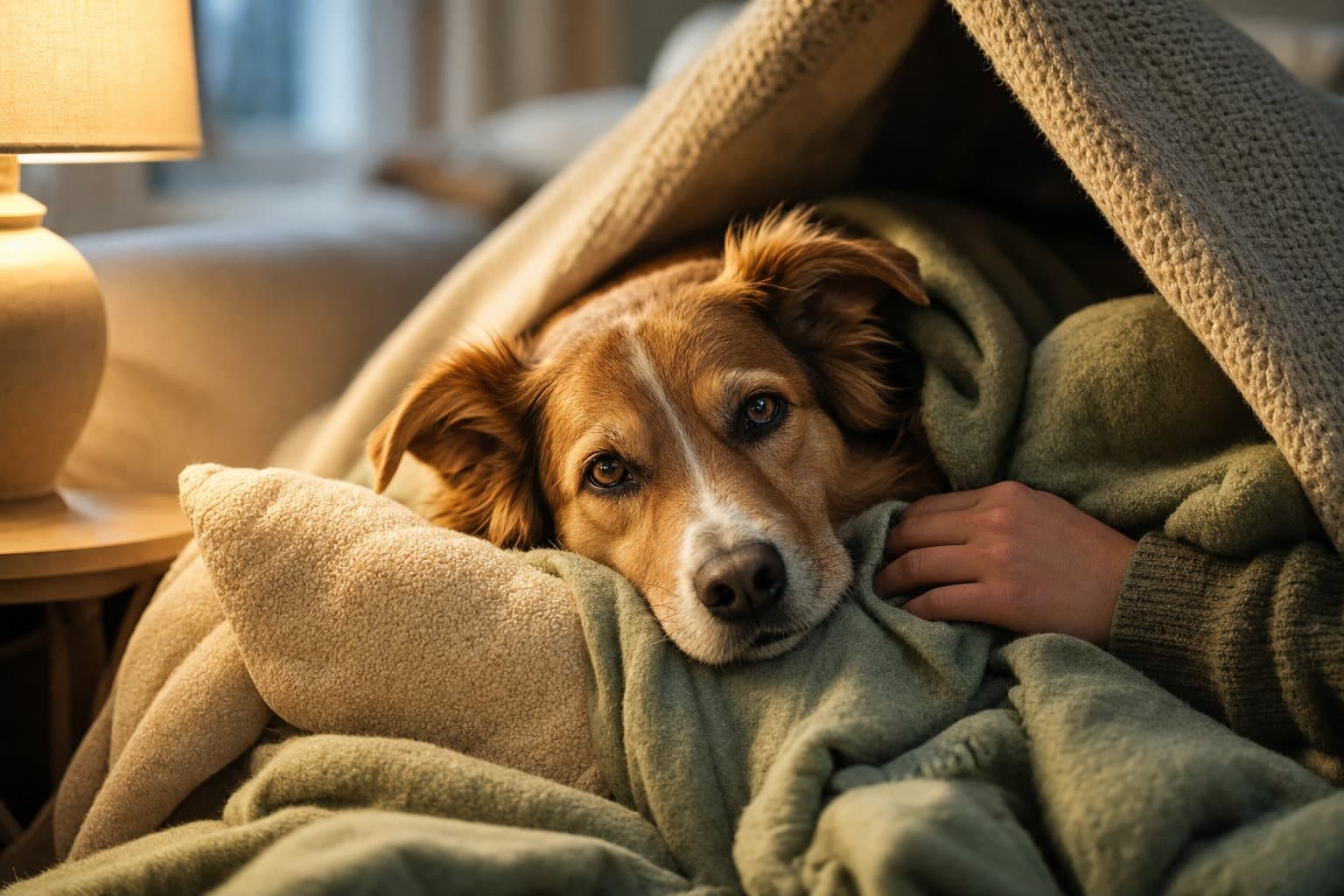
Your pet needs to be kept warm and comfortable. After the procedure, body temperature drops and your pet will feel cold, which is why the blanket you brought from home – the same one that stayed with it at the clinic – will come in useful again. It's worth keeping activity, noise, and the number of visitors in the house to a minimum for a few hours: the television turned down, and everyone in the household aware that they shouldn't make a fuss or cuddle a freshly operated pet too enthusiastically. A calm, warm, dimly lit room is the best environment for the first hours after coming home.
A Safe Place to Rest
Your pet should rest under supervision, not somewhere too high in case of a fall, ideally on a thick blanket or mattress laid out on the floor. Right after anaesthesia, motor coordination can be impaired – your pet may be drowsy, unsteady on its feet, disoriented. A sofa, armchair, or bed that's easy to fall from isn't a good choice for the first few hours home, even if it's normally your pet's favourite spot. It's better to set up a bed low to the ground, somewhere easy to keep an eye on, such as a corner of a quiet room, away from stairs and slippery surfaces where it could lose its footing.
For cats, it's worth giving up the tall cat trees and shelves they'd normally jump onto during this period, and offering a lower, enclosed pen or a large cardboard box with a blanket instead – the familiar smell of home combined with a limited, secure space helps many cats settle more quickly after a clinic visit. For large dogs, keep an eye on them getting on and off their bed if it's raised even slightly off the floor.
Increased Sensitivity to Stimuli
Sensitivity to external stimuli increases – noise and touch can be more irritating than usual. This is a side effect of the anaesthetic and pain-relief drugs still circulating in the body. It's worth keeping other pets separated for this period, and explaining to children that their pet needs quiet and space right now, not cuddles or play. Even a normally very friendly animal can react unusually in this state, for instance with a growl, if it feels startled or touched near the surgical wound.
Involuntary Urination and Defecation
Keep in mind that your pet may urinate or defecate involuntarily – it doesn't yet have enough control over its reflexes for it to be safe to leave it unsupervised. That's another reason it's worth spending the first hours after returning home close to your pet, rather than leaving it alone in a closed room. If an accident does happen, simply clean it up calmly – it isn't your pet's fault, nor a sign that something has gone worryingly wrong, just a natural stage of coming round from anaesthesia.
Returning Home to Other Pets
If you have other dogs or cats at home, it's worth setting aside a separate, quiet room for the patient for the first day, one the other animals can't access. Even pets that normally get along well may react oddly to a housemate's changed scent on returning from the clinic (the smell of disinfectant and medication can seem foreign to them) or to its slower, unsteady movements. Gradual, supervised reintroduction, ideally once the patient has fully recovered its coordination, reduces the risk of misunderstandings and unnecessary stress on both sides.
The First Night After the Procedure
The first night after a procedure tends to be the hardest – for the animal and for the owner, who wants reassurance that everything is going smoothly despite their own tiredness. It's worth setting up a bed for that night in a room you sleep in, or one that's easy to check on during the night, rather than leaving your pet alone elsewhere in the house. A brief, quiet check every few hours – is the breathing calm, does it respond to your voice, is the blanket dry – is usually enough to help you sleep more easily and catch any worrying sign early. There's no need for an all-night vigil after every, even minor, procedure – how closely to watch your pet on the first night is best worked out with the vet when you collect it from the clinic.
Diet and Hydration After the Procedure
Post-Operative Fasting: Why the Liver Needs a Break
It's best not to give your pet anything to eat for 12 hours after the procedure. Don't burden your pet's digestive system right after the procedure – give its liver a chance to rest, since it already has enough work to do clearing out the remnants of the anaesthetic. Feeding too soon, before drug-induced nausea has passed, also raises the risk of vomiting, which is particularly unwelcome for a weakened body straight after a procedure, and can further irritate freshly sutured tissue if the surgery involved the abdomen.
A Gradual Return to Eating
Once the post-operative fast is over, reintroduce food gradually, starting with a small portion of something easily digestible, following the advice of the vet who carried out the procedure – in some cases they'll recommend a specific veterinary diet to support digestion during recovery. A reduced appetite on the first day after a procedure is common and usually nothing to worry about, as long as your pet is drinking water and gradually coming back to itself. If your pet refuses food for more than a day, though, especially alongside vomiting, lethargy, or other worrying symptoms, it's worth contacting the clinic rather than waiting for its appetite to "come back on its own."
Water in Small Amounts and Watching for Urination
Water should be offered in small amounts, and you should keep an eye on whether your pet is urinating normally. Drinking too much water at once, while the stomach is still weakened from anaesthesia, can trigger vomiting, so it's better to offer small amounts frequently rather than leaving a full bowl out all day. If your pet doesn't urinate for many hours after returning home, despite having access to water, it's worth mentioning to the treating vet – it's one of the things worth keeping an eye on during the post-operative period, alongside appetite and general activity levels.
Caring for the Surgical Wound
The Protective Collar and Recovery Suit
The surgical wound needs to be protected from licking with a protective (Elizabethan) collar or a recovery suit, which you can either make yourself or buy at the clinic. It looks uncomfortable to the animal, and some pets protest at first, but it's one of the most effective ways to prevent the stitches from being licked open – one of the more common complications, and one that consistently wearing the collar can prevent almost entirely. The collar or suit should stay on for the whole time the wound is healing, until the stitches come out, even if your pet seems calm and "well behaved" without it – a cat's or dog's tongue can undo in a few seconds what took the surgeon much longer to stitch together.
Watching the Wound: What to Look For
It's worth taking a look at the surgical wound every day, ideally in good light. Some redness right around the stitches, slight swelling, or a single drop of clear fluid in the first few days is usually within the range of normal. You should contact the clinic if you notice: increasing swelling or redness, discharge that's purulent or has an unpleasant smell, the edges of the wound separating, bleeding that doesn't stop, or a situation where your pet keeps trying determinedly to get at the stitches despite the collar. None of these signs should wait until the next scheduled follow-up visit.
The Post-Operative Check-Up and Stitch Removal
The vet sets the date for your follow-up visit at discharge, usually a couple of weeks after the procedure, though the exact timing depends on the type of surgery and how quickly the individual animal heals. At this visit, the vet examines the scar, checks for any sign of inflammation, and decides whether non-absorbable stitches can be removed yet or need a few more days. Even if the wound looks fine at a glance, it's worth attending this visit as planned – some complications, such as a small hernia forming in the scar, are easier to detect on examination than to spot with the naked eye.
Giving Medication Prescribed for Home
After the procedure, the vet may prescribe pain relief, protective, or anti-inflammatory medication to give at home. Give it exactly at the doses and times the vet has prescribed, even if your pet looks fully recovered and seems as though it no longer needs it – visible signs of pain easing doesn't always mean the healing process is complete. If giving the medication proves difficult (your pet spits out the tablet, vomits after taking it, or refuses food it's hidden in), tell the clinic rather than simply stopping. Never give your pet medication intended for humans, or medication left over from another pet in the household – some of these are highly toxic to dogs and cats, even at doses considered safe for people.
Physical Activity During Recovery
In the first few days after a procedure, limit your pet's activity to short lead walks, purely for toileting. Running, jumping on furniture, climbing stairs, playing with other animals, or bathing should all wait until the vet confirms at the follow-up visit that the wound has healed properly. Returning to full activity too soon is one of the most common causes of healing complications we see in our practice – and one of the easiest to avoid, simply through patience.
When to Contact the Clinic Immediately
Most animals recover from a procedure without complications, provided post-operative instructions are followed. There are, however, situations where it's not worth waiting until the next day or until a scheduled follow-up visit. Contact us immediately if you notice:
- heavy, unrelenting bleeding from the surgical wound,
- the edges of the wound separating, or visible internal tissue,
- persistent vomiting, or a loss of appetite lasting more than a day,
- no urination for many hours despite access to water,
- severe lethargy, a lack of response to its surroundings, or difficulty breathing,
- a raised body temperature, or, conversely, marked coldness,
- pain that isn't relieved by the prescribed pain medication.
When in doubt, it's always better to call and ask than to wait and hope a worrying symptom will pass on its own. A short phone call to the clinic costs a few minutes – a neglected complication is often far harder to undo. This applies both during the clinic's opening hours and outside them – in the event of a genuine emergency, it's worth already knowing which round-the-clock veterinary practice serves your area.
Frequently Asked Questions
Can I give my pet water on the morning of the procedure?
Yes. Only food is restricted – access to fresh water should be available right up until you leave the house, unless the vet advises otherwise for your particular pet.
What should I do if my pet accidentally eats something on the day of the procedure?
Please let the clinic know immediately, ideally by phone before you arrive. Depending on what your pet ate and when, the vet will decide whether the procedure can go ahead as planned or whether it's safer to reschedule it.
How long should my pet wear the protective collar?
Usually for the entire time the wound is healing, until the stitches are removed – the exact duration is set by the treating vet, based on how healing is progressing at follow-up visits. Removing the collar on your own, even briefly under a watchful eye, increases the risk of the stitches being licked open – it only takes a moment's distraction for a pet to reach the wound with its tongue. If the collar is clearly getting in the way of eating, drinking, or moving around, it's better to tell the clinic and look for a more comfortable solution together than to remove it yourself.
What should I do if my pet doesn't want to eat after coming home?
A reduced appetite on the first day after a procedure is common and usually passes on its own. If your pet refuses food for more than a day, won't drink water, or this is accompanied by vomiting or lethargy, please get in touch with the clinic.
How can I tell if a wound is healing abnormally?
Warning signs include increasing swelling, redness, discharge that's purulent or has an unpleasant smell, the wound's edges separating, and bleeding that doesn't stop. If in doubt, it's always better to have a vet look at the wound than to keep watching it yourself.
Can I walk my dog straight after the procedure?
Short lead walks for toileting are usually fine from the first day, but full activity – running, jumping, playing with other dogs – should wait until the vet confirms at a check-up that the wound has healed properly. For cats, the equivalent of a walk is simply limited, calm access to a single room, kept free of tall furniture to jump on, until the wound has fully healed.
Can I give my pet treats afterwards as a comfort?
We understand the urge to comfort your pet, but it's best to hold off during the first day after the procedure and stick to the post-operative fast and the gradual, easily digestible return to eating described above. Treats, especially fatty or hard ones, can irritate a digestive system still weakened by anaesthesia. Once your pet is back to eating normally and the vet hasn't advised otherwise, you can gradually bring back its usual treats too.
Preparing for a procedure and providing attentive care in the days that follow are often just as important to a good outcome as the surgeon's own skill. Fasting, calm, warmth, protecting the wound from licking, and careful observation – none of these instructions are arbitrary, and together they make a real difference in reducing the risk of complications. Each one is simple on its own, but it's following them consistently through the first few days after a procedure, rather than any single heroic gesture, that does the most to protect your pet from complications and shorten the road back to full health.
If your pet is still waiting for its procedure, take a look at our article Surgery, where we describe the types of operations we perform, what our operating theatre looks like, and the safety standards we apply at every stage of treatment. If you have questions about preparing your particular pet for a procedure, or something about its recovery is worrying you, please get in touch with the Hau-Miau clinic at ul. Siemieńskiego 23 in Warsaw's Ochota district. Book a visit — call +48 22 823 35 63.